

discorporate
- adjective
- /dɪsˈkɔːr.pə.reɪt/
- Literature
- Myths often describe ghosts as discorporate beings invisible to the living.
Examples
-
In the novel, the alien took on a discorporate form to travel through walls.
-
The discorporate spirit wandered through the ancient ruins.
-
Some people believe that discorporate entities can influence the physical world.
-
Many cultures believe in discorporate beings that exist beyond our physical realm.
-
In many cultures, myths describe ghosts as discorporate beings that exist beyond the physical world.
-
The concept of discorporate entities is often explored in literature and folklore.
-
Some believe that a discorporate spirit can interact with the living without having a physical form.
Synonyms

 15
8.0
15
8.0

Seeming to exist without a body, like a voice or spirit
 4
7.4
4
7.4
Not physical and cannot be touched
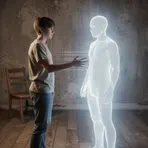 2
9.9
2
9.9
Not having a physical body or shape that you can touch
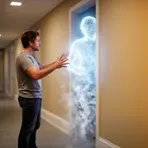

 1
9.8
1
9.8
Without a physical body or shape
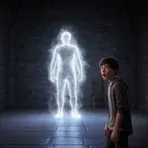 1
8.1
1
8.1
Not having a physical form, like a spirit or ghost
 1
8.2
1
8.2
Not having any physical shape you can touch, like a voice or shadow
 1
7.7
1
7.7
Has no physical form and is about ideas or feelings

Not having a physical body and appearing like a spirit

Not having a physical form like a ghost or spirit

Not having a physical body, like a ghost
Surface Forms
Morphology
discorporate = corporate (opaque) = dis + corpor + ate
Although historically analyzable as dis- + corporate, modern 'corporate' is usually understood as 'relating to a company' rather than 'bodily', so learners will not reliably derive 'bodiless' from the parts.
Etymology
The word discorporate comes from dis- ('not' or 'apart') and corpus ('body'), so it means 'without a body' and is used for beings like ghosts that have no physical form.