
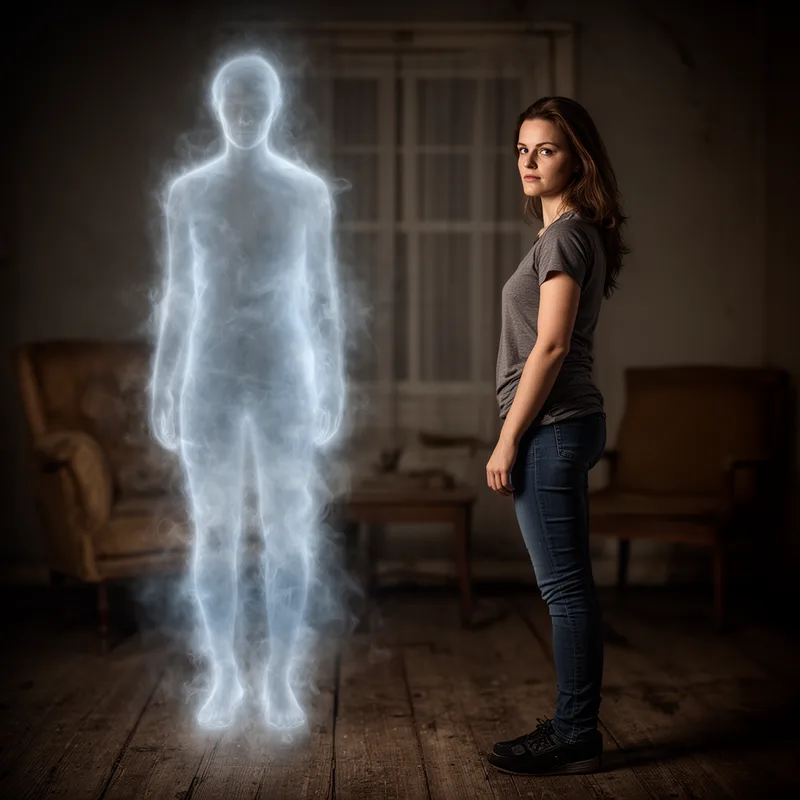
discarnate
- adjective
- /dɪsˈkɑrnɪt/
- Literature
- Isn't it possible that some sort of external intelligence, some discarnate entity, has crossed into our plane of existence?
Examples
-
The story described a discarnate being that wandered between worlds, seeking to understand human emotions.
-
Some people believe that a discarnate spirit can communicate with the living during a séance.
-
She claimed to have seen a discarnate figure appearing in the shadows of her house, whispering her name.
Synonyms


 1
8.1
1
8.1
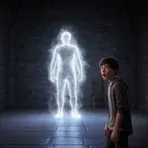
Not having a physical form, like a spirit or ghost
 1
8.2
1
8.2
Not having any physical shape you can touch, like a voice or shadow

Not having a physical form like a ghost or spirit
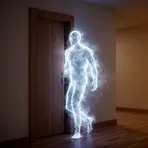
A being that has no physical body like a ghost
Antonyms


Surface Forms
Morphology
discarnate = carnate (semi-transparent) = dis + carn + ate
The negative prefix is clear, but the rare Latinate base 'carnate' is not familiar enough for most learners to make the meaning fully obvious.
Etymology
Discarnate comes from the parts dis- meaning 'not' and carn- meaning 'flesh', so it originally meant 'not flesh'. Think of the same carn- in carnivore ('flesh eater') to help you remember that discarnate means 'without a physical body' or a being that exists beyond the flesh.