

dibranch
- noun
- /ˈdaɪbræŋk/
- Specialized
- Modern squids and octopuses are classified as dibranchs in zoology.
Examples
-
Nautilus is not a dibranch because it has more than two gills.
-
A dibranch is defined as a cephalopod with two gills.
-
The dibranch structure is one of the main differences from other cephalopods.
-
The dibranch species are fascinating to study.
-
Many dibranchs can change color to blend in.
-
Modern squids and octopuses are classified as dibranchs in zoology.
-
Many dibranchs exhibit unique behaviors that interest marine biologists.
Synonyms
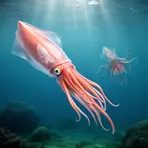
A sea animal with two gills like a squid or octopus
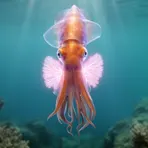
A sea animal like a squid or octopus that has two gills
Surface Forms
Morphology
dibranch = branch (opaque) = di + branch
The form uses Greek combining elements ('di-' and a form related to 'branchia' meaning gill) that are not recognizable as productive English morphemes, so learners cannot reliably infer meaning from the visible parts.
Etymology
The word dibranch comes from the parts di- meaning 'two' and branchia meaning 'gills', a root linked to the English word gill. So a dibranch is literally a 'two-gilled' cephalopod, which is why squids and octopuses are called dibranchs.

