

to desiccate
 12
9.0
12
9.0

- verb
- /ˈdɛsɪˌkeɪt/
- Specialized
- First of all, it is so much smaller, as though it had shrunk like a desiccated plant.
- desiccated land
- desiccated algae
- desiccated in the dark
Examples
-
The knife slipped easily through the desiccated skin and underlying flesh.
Fiction book (1999) -
When a corpse is left out, the elements wither it, desiccate it, twisting it into a distorted figure that is barely recognizable as a human being.
-
And at a certain point he started to wonder, could I dry it out and desiccate it and more efficiently deal with it that way, Right.
-
And thousands had left their homes, their farms, their desiccated lives, for the chance at a better one.
Fiction book (1994) -
The body was desiccated, it was totally drained of blood.
-
Its fields, ravaged by war and desiccating winds, were covered everywhere by blood and smoke.
Academic text (2018) -
To avoid the cold and desiccating dryness, the three had huddled under one of the hide tents.
Fiction book (2002) -
For the next course, they chopped up desiccated spiders from the Roses' cellar and mixed them with Hawaiian Punch.
Fiction book (2002) -
A few old stiff spiny stalks still remained, dotted with desiccated red berries.
Fiction book (1997) -
The heat of the sun can quickly desiccate flowers, causing them to lose their vibrant colors.
Synonyms
 570
1.0
570
1.0
To become free of water or wetness
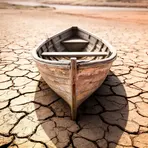 19
2.7
19
2.7
To lose all water or moisture so it has none left
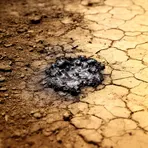 11
2.4
11
2.4
To become dry or make something no longer wet
 1
4.8
1
4.8
Remove almost all water from food to keep it for longer
 1
4.4
1
4.4
To keep food for a long time by freezing it and then removing its water


 1
7.0
1
7.0
Make something very dry from heat or sun

To remove all water from something so it stays dry
Antonyms

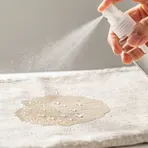
How Dry

Surface Forms
Morphology
desiccate = de + sicc + ate
Formed from Latin combining elements (de- + sicc- + -ate) that are not productive or recognizable to an average B1 learner, so the meaning 'to dry out' is not easily derived from its visible parts.
Etymology
Desiccate comes from Latin parts de- meaning 'completely' and siccare meaning 'to dry', from siccus 'dry'. So to desiccate is to make something completely dry, like turning fresh fruit into a light, dry snack for storage.