
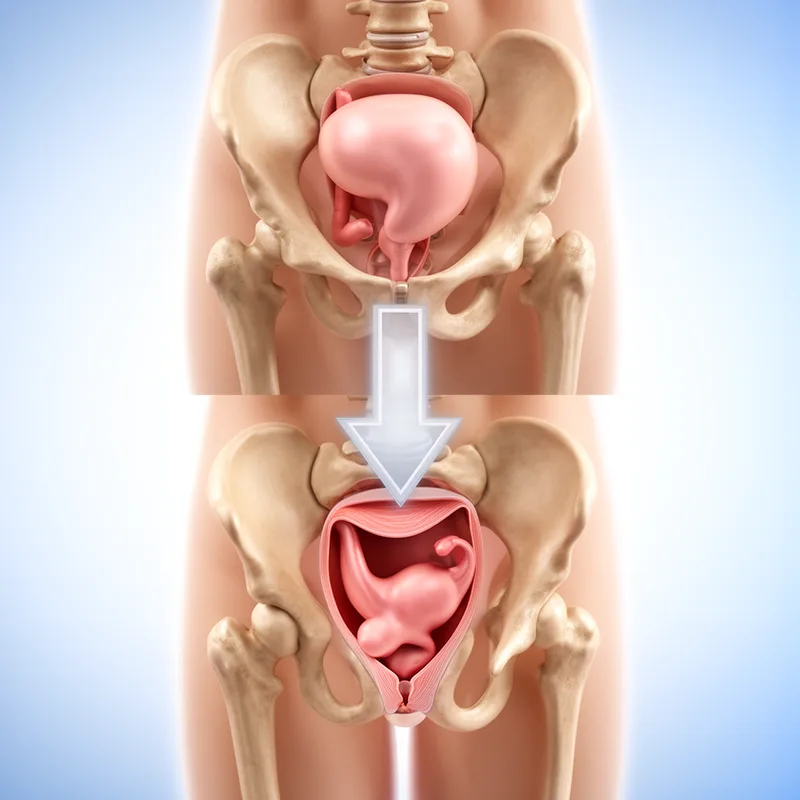
descensus uteri
- noun
- Archaic
- The patient was diagnosed with descensus uteri after experiencing pelvic discomfort and a feeling of heaviness.
Examples
-
Risk factors for descensus uteri include childbirth, aging, and chronic straining.
-
Surgical intervention is sometimes necessary to correct advanced descensus uteri.
-
The doctor diagnosed her with descensus uteri after her examination.
-
Many women experience descensus uteri after childbirth.
-
Many women experience descensus uteri after childbirth due to weakened pelvic muscles.
-
The patient was diagnosed with descensus uteri, which can cause discomfort during physical activities.
-
Surgical intervention is often recommended when descensus uteri leads to significant symptoms such as incontinence.
Synonyms

 2
8.8
2
8.8

A condition in which a body part slips out of its normal place inside the body
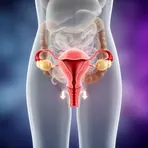
The womb drops down from its normal position
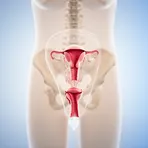
A body organ falling down from its normal place, for example the uterus
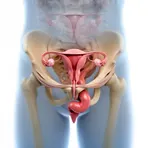
When an organ like the uterus or rectum slips out of its normal position
How Severe

Surface Forms
Morphology
descensus + uteri
The phrase is a literal, Latin-based composition: 'descensus' denotes descent/downward displacement and 'uteri' is the genitive form of uterus, so the phrase literally means 'descent of the uterus' (uterine prolapse). Although it is a technical medical term in Latin, its meaning is directly and predictably derivable from the constituents, so a learner who knows those parts would understand it.
Etymology
Descensus uteri comes from Latin words descensus ('descent') and uteri ('uterus'), so it paints a simple image of the uterus moving downward. That's why doctors use the term to mean 'prolapse' or the uterus 'falling down' from its normal place.