

decimal numeration system
- noun
- /ˈdɛsɪməl ˌnjuːməˈreɪʃən ˈsɪstəm/
- Specialized
- In a decimal numeration system, each digit has a place value.
Examples
-
When teaching children math, most educators begin with the decimal numeration system before introducing other bases.
-
The decimal numeration system is the standard system for denoting integer and non-integer numbers.
-
Early calculators were designed to operate using the decimal numeration system.
-
The decimal numeration system is used worldwide.
-
The decimal numeration system is the most common way to represent numbers in everyday life.
-
In a math class, students learn how to add and subtract using the decimal numeration system.
-
Understanding the decimal numeration system is essential for performing basic calculations.
Synonyms

 2
3.1
2
3.1

A number system using digits 0–9 where each place is ten times the one to its right

A number system using digits 0 to 9 that counts in tens
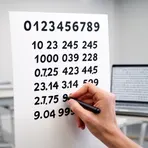
A system for writing numbers with the digits 0 to 9
Surface Forms
Morphology
decimal + numeration + system
The meaning is directly compositional: 'decimal' (based on ten) modifies 'numeration' (the act/system of counting) and 'system' signals an organized method, so a learner who knows the constituents can infer it denotes a base‑ten counting system. This concept is cross‑linguistically common and follows ordinary English noun‑phrase composition, making it immediately understandable to B1 learners who know the words.
Etymology
The decimal numeration system comes from the simple idea of counting on ten fingers; people used their hands to count, so numbers were grouped by tens. That's why it is called 'base ten' and uses the digits 0 to 9.