

decimal number system
- noun
- /ˈdɛsɪməl ˈnʌmbər ˈsɪstəm/
- Specialized
- The decimal number system uses ten base digits, starting from 0 up to 9, to represent all possible numbers.
Examples
-
For example, the fraction 1/10 can be represented in a decimal number system as 0.1.
Blog text (6) -
In the decimal number system, each digit's value depends on its position, allowing for easier calculations.
-
Also known as, "0.999 repeating equals exactly 1 in the decimal number system."
Blog text (15) -
When converting fractions to decimal number system, it is often utilized to show their numeric value.
Synonyms

 2
3.1
2
3.1

A number system using digits 0–9 where each place is ten times the one to its right
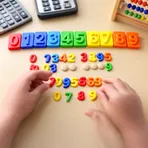
A way to write numbers using ten digits from zero to nine
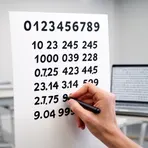
A system for writing numbers with the digits 0 to 9
Surface Forms
Morphology
The meaning 'a numeration system based on powers of ten' is directly and transparently derived from combining 'decimal' (based on ten) with 'number' and 'system' — the adjective+noun composition clearly signals a numbering system built on ten. This compositional pattern is cross-linguistically common and follows straightforward English morphology, so a B1 learner who knows the constituent words can infer the meaning.
Etymology
The term decimal number system comes from counting on our ten fingers: decimal means 'ten' and people grouped numbers in tens. That's why this system uses digits 0-9 and is so useful for everyday counting.