
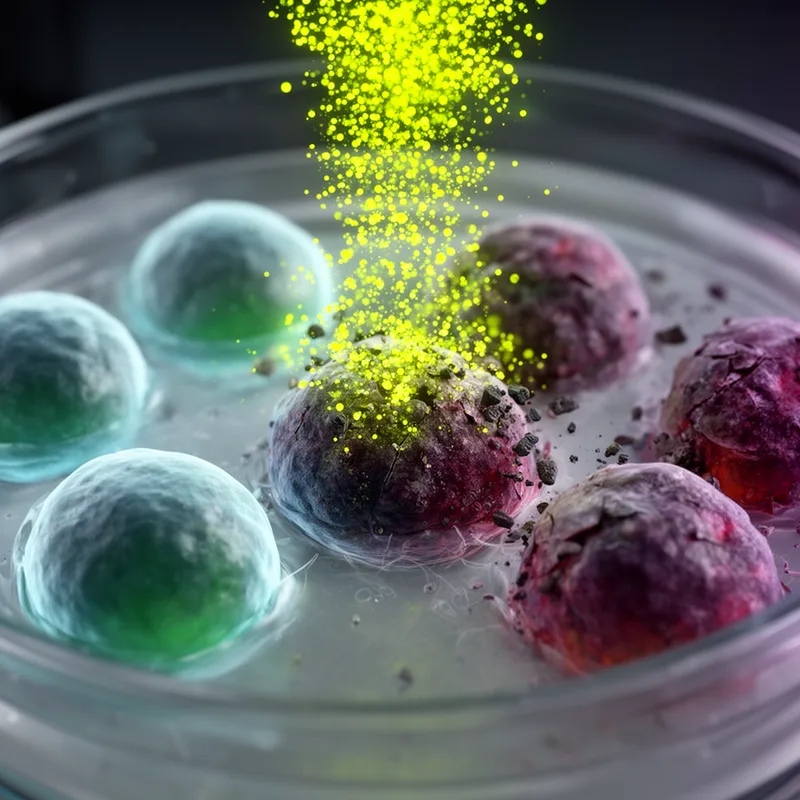
cytotoxic
 1
8.1
1
8.1

- adjective
- /ˌsaɪtəˈtɒksɪk/
- Specialized
- Chemotherapy often involves administering cytotoxic drugs that target rapidly dividing cancer cells.
- cytotoxic T cells
- cytotoxic drugs
- cytotoxic agent
Loading YouTube…
Watch on YouTubeSo now your cell is holding up a flag for the cytotoxic T cells by putting parts of the virus on the outside of the cell.
- So now your cell is holding up a flag for the cytotoxic T cells by putting parts of the virus on the outside of the cell.
- So let's show how the T helper cell and the cytotoxic T cell fit into this family.
Examples
-
Treatment with other immunomodulatory or cytotoxic agents was prohibited during the study.
Academic text (2002) -
Should a learning-disabled child with a relapse of leukemia be forced to take cytotoxic drugs if the chance of cure is poor?
Academic text (2014) -
And this cellular immunity is, among other things, cytotoxic, and it can recognize a second cell over here.
-
6. On high concentration, zinc has a direct cytotoxic effect and is well known.
Academic text (2007) -
Many are also cytotoxic, causing route-of-entry effects that may be damaging to the gut, the skin, or the lung.
Academic text (2003) -
Intravenous Vitamin C is cytotoxic to cancer cells only and cures most cancers, even late stage.
Blog text (27) -
HLA-restricted cytotoxic T cells recognize viral peptides in association with class 1 HLA molecules on the target hepatocyte.
Academic text (1994) -
IFNs mobilize cellular defenses, primarily T-cells, to fight the infection, and have mild direct cytotoxic effects.
Academic text (2007) -
Uncontrolled exponential expansion of lymphocytes and unchecked cytokine production and cytotoxic activity may lead to autoimmunity.
Academic text (2007) -
Phagocytes utilize the cytotoxic effects of reactive oxygen species, such as superoxide, hydrogen peroxide, and the highly toxic hydroxyl radical.
Academic text (2017)
Synonyms
 380
4.0
380
4.0
Containing poison that can cause harm or death
 90
2.8
90
2.8
Containing a substance that can make you sick and can cause death if eaten, touched, or breathed
 1
8.4
1
8.4
Relating to the process when cells die on purpose


 1
9.9
1
9.9
Causing cells to break open and die

Causes damage to living cells, often because of a virus

Causing cells to become damaged or die, often after infection
Antonyms

Compounds

- Specialized
1
4.9
A medicine that kills cells and helps treat cancer during chemotherapy
- Specialized
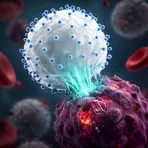
A white blood cell with a CD8 marker that kills infected or cancer cells
How Toxic

Surface Forms
Morphology
Etymology
Cytotoxic comes from Greek parts cyto- meaning 'cell' and -toxic meaning 'poison'. So cytotoxic literally means 'poison to cells', which is why it describes drugs or chemicals that damage or kill living cells.