

coloring material
- noun
- /ˈkʌlərɪŋ məˈtɪrəl/
- US
- The artist experimented with a new coloring material to achieve deeper shades in her painting.
Examples
-
Natural coloring materials are often preferred for food products to avoid artificial additives.
-
You can find various coloring materials at the craft store.
-
The workshop teaches children how to make their own coloring material from everyday ingredients.
-
The artist prefers using natural coloring materials for her paintings.
-
The artist experimented with a new coloring material to achieve deeper shades in her painting.
-
Natural coloring materials are often preferred for food products to avoid artificial additives.
-
The workshop teaches children how to make their own coloring material from everyday ingredients.
Synonyms

 514
1.0
514
1.0

A paint or dye used to give something a particular shade
 14
1.4
14
1.4
A liquid or powder that people add to food to give it color
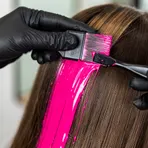 7
2.0
7
2.0
A liquid or cream that colors hair
 1
4.8
1
4.8
A product used to make hair, skin, or wood lighter in color


 1
4.0
1
4.0
A thing added to food, fabric, paint, or cosmetics to give color
 1
2.3
1
2.3
A thing added to food or drink to change how it looks

A substance used to add color to cloth and hair
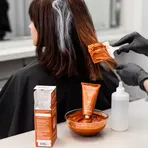
A product that you put on hair to make it a different shade

A material that changes color when exposed to light, heat, or chemicals
How Permanent

Surface Forms
Morphology
The noun phrase is directly compositional: 'coloring' (the action/process of adding color) + 'material' (a substance) yields a substance used for coloring, so a B1 learner who knows both words can infer the meaning. This is a common English noun–noun compounding pattern and has clear parallels in other languages, making it transparently understandable.
Etymology
Coloring material comes from the simple picture of a material used for coloring, like paint, dye, or a spice that gives food its color. So, it means a substance used 'to add or change color' in another thing.