

colewort
- noun
- /ˈkoʊlˌwɜrt/
- Archaic
- The colewort is often used in traditional dishes.
Examples
-
The chilly climate is perfect for growing colewort in the winter months.
-
She picked fresh colewort from the garden to use in her soup recipe.
-
Unlike regular cabbages, colewort does not form a tight head and its leaves remain open.
-
I found some fresh coleworts at the farmer's market.
-
The farmer harvested the colewort, enjoying its robust flavor in his vegetable dishes.
-
In traditional cooking, colewort is often used to add a hearty texture to soups and stews.
-
She planted colewort in her garden because it thrives in cool weather and adds variety to her vegetable patch.
Synonyms

 110
8.1
110
8.1

A leafy vegetable like cabbage that people or animals eat and farmers grow
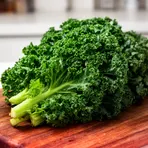 43
2.4
43
2.4
A hardy green vegetable with curly leaves like cabbage
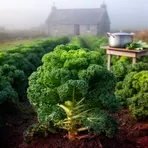

 1
8.4
1
8.4
A leafy cabbage with coarse curly leaves often used in Scottish cooking

A hardy leafy vegetable like kale with thick curly leaves that do not form a head
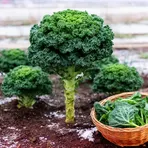
A leafy vegetable like cabbage with tough curly leaves
Surface Forms
Morphology
Etymology
Colewort comes from two old English parts: cole, meaning 'cabbage' or 'kale', and wort, meaning 'plant' or 'herb'. So colewort is literally a 'cabbage plant', which fits this hardy vegetable with open, curly leaves instead of a tight cabbage head.