
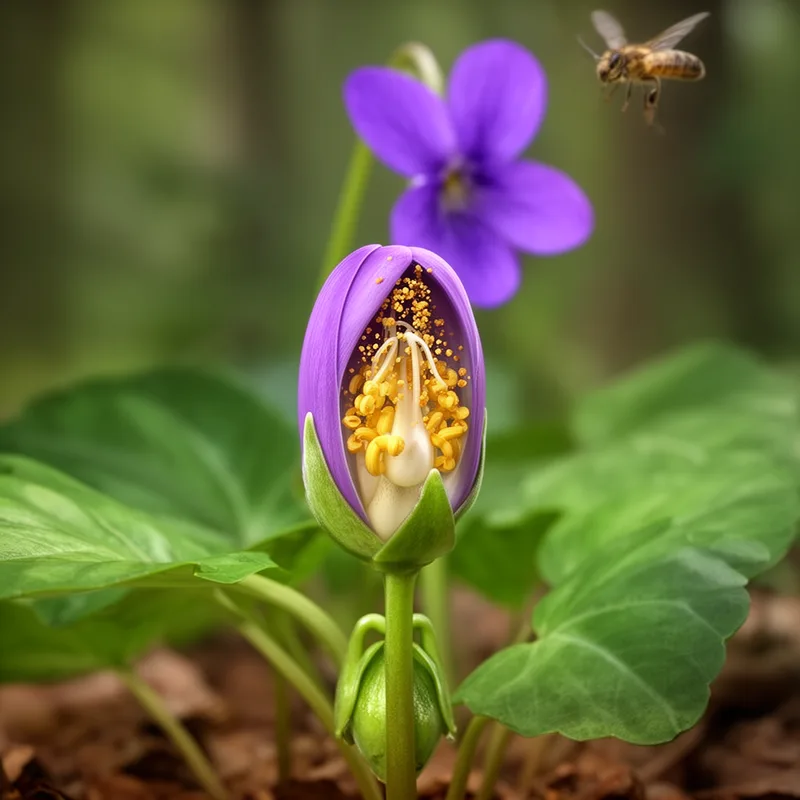
cleistogamic
- adjective
- /ˌklaɪstəˈɡæmɪk/
- Specialized
- Many violets produce cleistogamic flowers that do not open but still set seed.
Examples
-
Researchers observed both showy and cleistogamic blooms on the same plant.
-
The cleistogamic flowers of the species ensure reproduction even in harsh conditions.
-
The cleistogamic nature of certain plants ensures self-pollination in harsh conditions.
-
Many plants have cleistogamic flowers that thrive in shaded areas.
-
Many violets produce cleistogamic flowers that do not open but still set seed.
-
The cleistogamic nature of certain plants allows them to reproduce without the need for pollinators.
-
Some species of grasses have cleistogamic flowers that can self-pollinate in varying weather conditions.
Synonyms


 1
5.8
Able to make seeds using pollen from the same plant, not from another plant
 1
5.6
A plant that can use its own pollen to make seeds without pollen from another plant
 1
9.9
A plant or flower that can make seeds without pollen from another plant
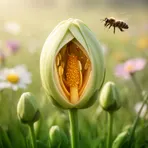
Having flowers that stay closed and pollinate themselves

A plant that can make seeds by itself
Surface Forms
Morphology
cleistogamic = cleistogamy (opaque) = cleisto + gamy + ic
Although morphologically formed from 'cleistogamy' + '-ic', the components are Greek combining forms and the term is technical, so its meaning is not readily deducible by average learners.
Etymology
Cleistogamic comes from Greek roots kleistos ('closed') and gamos ('marriage'), and the -gamic part is like the gamy in monogamy. So a cleistogamic flower is like a 'closed marriage': it makes seeds by itself without opening.