
ciliated
8.2
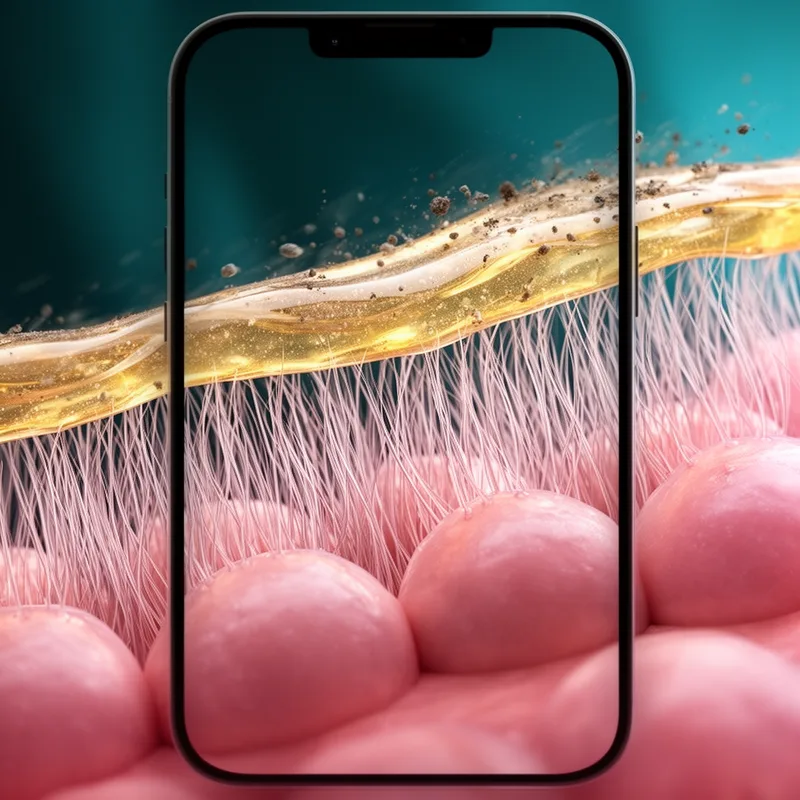
Having many small hairs on a surface, like some cells, that move things
- adjective
- /ˈsɪliˌeɪtɪd/
- Specialized
:
ciliado
- Ciliated cells in the upper and lower respiratory tracts are exposed to the external environment, so they often come into contact with noxious elements and can harbor infection.
Examples
-
Each ciliated cell works to move mucus away from the lungs towards the throat.
-
The ciliated epithelium in the trachea helps trap and clear particles from the air we breathe.
-
In the small intestine, ciliated cells facilitate the movement of nutrients by sweeping them along.
Synonyms



 1
9.2
1
9.2
Having small hairs along the surface, for example on leaves or cells
has identical meaning but is the alternative adjective form

9.9
Having a fringe of thin hairlike parts along the edge
is specific to fine hairlike projections mainly on cells rather than broader borders
Compounds

Surface Forms
ciliated positive
Morphology
Etymology
The word ciliated comes from the Latin cilium, which means 'eyelash'. Those tiny 'eyelashes' are the hair-like parts called cilia, so something ciliated has many small hair-like projections that often move liquids or particles.