
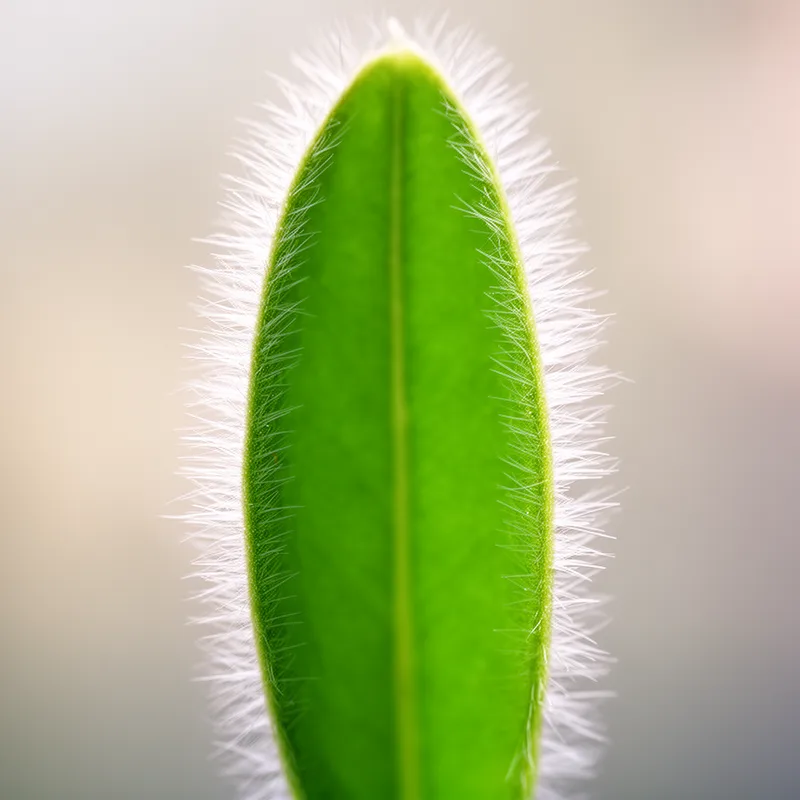
fimbriate
- adjective
- /ˈfɪmbriˌeɪt/
- Specialized
- Under the microscope, the plant's petals appeared fimbriate, with delicate, threadlike edges.
Examples
-
Some aquatic leaves have fimbriate margins, giving them a feathery appearance.
-
The fimbriate edges of the flower petals attract pollinators.
-
The biologist identified the fungus by its fimbriate spores, which were fringed with fine processes.
-
Many species of algae exhibit fimbriate structures.
-
Some aquatic leaves have fimbriate margins, giving them a feathery appearance.
-
Under the microscope, the plant's petals appeared fimbriate, with delicate, threadlike edges.
-
The flower had fimbriate petals that showcased intricate fringes, attracting many insects.
Synonyms
 1
3.6
1
3.6

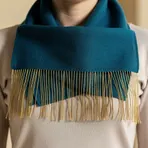
Having a decorative edge made of loose threads or strips
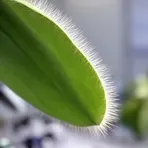
Having a fringe of short threads or hairs along the edge

Having many small hairs on a surface, like some cells, that move things
Antonyms

How Fringed
- Specialized
 256
1.0
256
1.0
Surface Forms
Morphology
fimbriate = fimbri + ate
The stem 'fimbri-' is a Latin combining form not used as a standalone English word, so the relation to 'fringe' is not obvious to an average B1 learner.
Etymology
The word fimbriate comes from the Latin fimbria 'fringe' and links to the English word fringe. It gives the picture of a thin, threadlike border, which is why we call leaves, petals, or spores fimbriate when they have a feathery edge.