
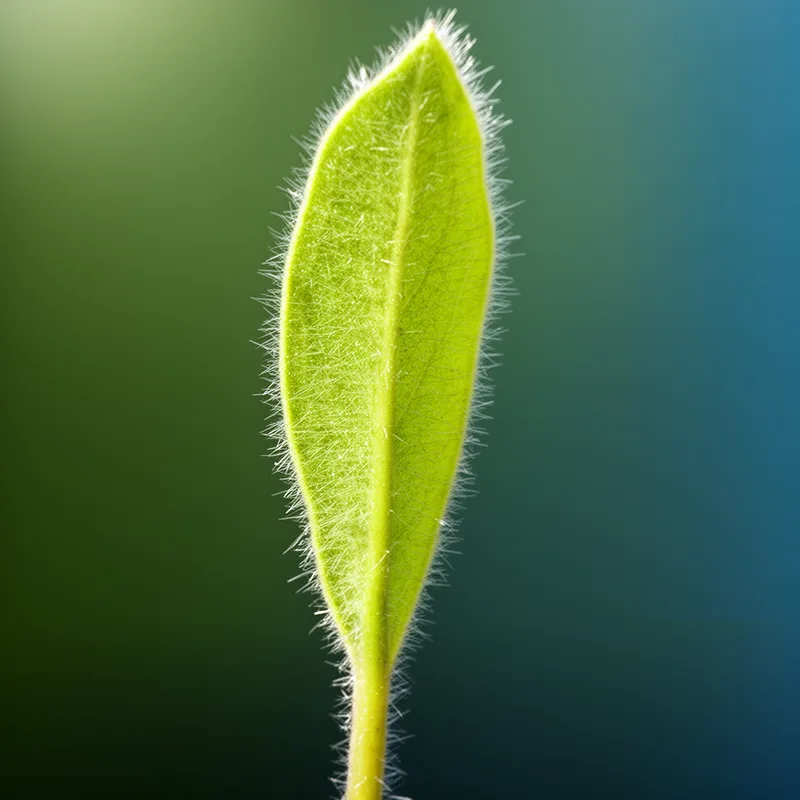
ciliate


 1
9.2
1
9.2
Having small hairs along the surface, for example on leaves or cells
- adjective
- /ˈsɪliˌeɪt/
- Specialized
:
ciliado
- Researchers found that the ciliate species can thrive in both fresh and saltwater environments.
Examples
-
The ciliate organism moves with the help of tiny hair-like structures on its surface.
-
The ciliate Helicostoma notatum is the possible cause of the Brown Band Disease (BrBD) that affects corals of the Great Barrier Reef (GBR).
Academic text (2018) -
The ciliate exhibits unique behaviors when it comes into contact with food particles.
Synonyms

8.2
Having many small hairs on a surface, like some cells, that move things
includes both having such projections and relating to them more generally
9.2
Relating to tiny hair-like structures on cells that move liquid
also covers actual possession of these projections rather than only relation
9.8
Small hairlike parts on cells that move
is broader and also means actual presence of hairlike projections
Surface Forms
ciliate positive
Morphology
Etymology
The word ciliate comes from the Latin cilia (from cilium), which means 'eyelashes' or 'small hairs', so it is a good picture for tiny, hair-like edges. That's why ciliate describes leaves, cells, or margins that have fine hairs or tiny bristles.