
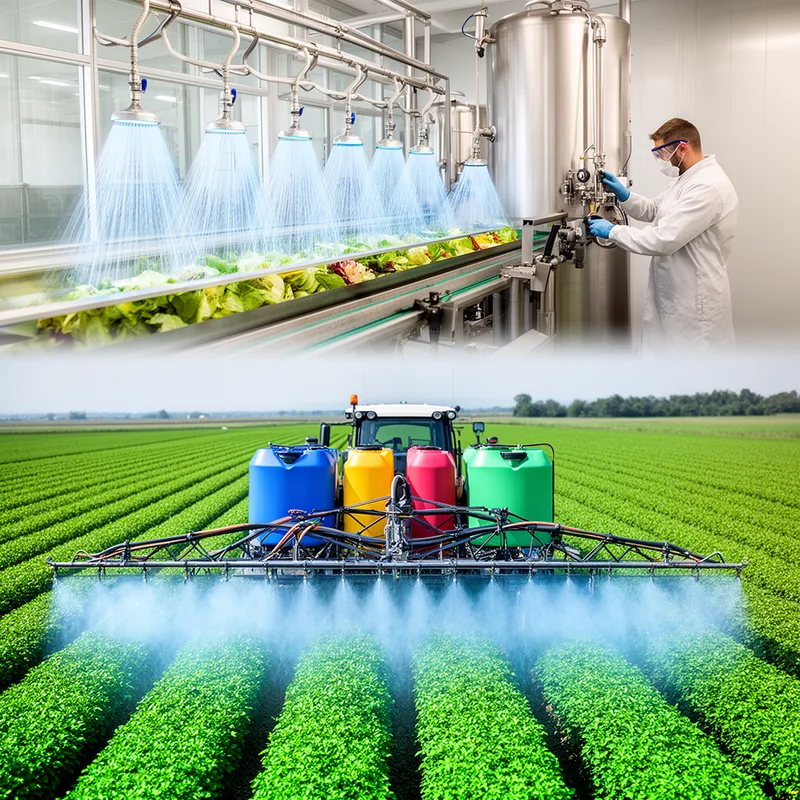
chemicalization


 1
8.1
- noun
- /ˌkɛmɪkəlaɪˈzeɪʃən/
- Specialized
- The chemicalization of the manufacturing industry involves using more chemicals in production processes.
Examples
-
The chemicalization of agriculture has led to higher crop yields but also raised environmental concerns.
-
Some communities are debating the chemicalization of their water supply for public health reasons.
-
Rapid chemicalization in food production has changed the way many people think about what they eat.
-
The chemicalization of agriculture has increased food production significantly.
-
Many experts argue against the chemicalization of our food supply.
-
The chemicalization of agriculture has led to increased crop yields and greater reliance on synthetic fertilizers.
-
In recent years, the chemicalization of products has raised concerns about environmental sustainability.
How Widespread

Surface Forms
Morphology
chemicalization = chemical (transparent) = chemic + al + ization
The noun is built in a straightforward way from chemical + -ization, so the meaning is directly recoverable from its parts.
Etymology
Chemicalization comes from chemical, about 'chemistry' and 'substances', and the ending -ization which means 'the process of making or becoming'. So chemicalization is the process of making something more full of chemicals or increasing the use of chemicals, which is why we use it for changes in farming, water, or food.