
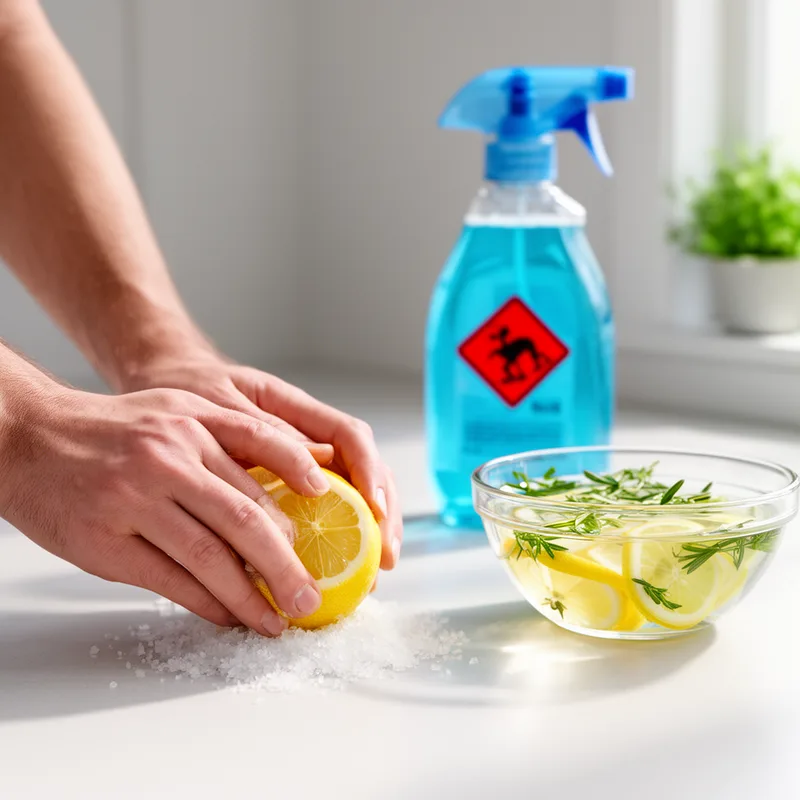
nonchemical


 1
3.9
- adjective
- /nɒnˈkɛmɪkəl/
- "Studies such as these will lead to a better understanding of insect growth and development," says Beeman, "and provide better approaches for disrupting specific genes as a form of nonchemical insect pest control."
- nonchemical controls
Examples
-
Using nonchemical approaches, many gardeners have successfully reduced pest damage in their plants.
-
Keeping the bed well mulched is your best nonchemical defense against weeds.
Blog text (22) -
We estimate from field experience that natural enemies provide 60% of the benefits from nonchemical controls.
Academic text (1997) -
We need to cooperate and explore strategies, including nonchemical alternatives. "Help is on the way."
Academic text (1995) -
More recent IPM programs have promoted nonchemical methods as the basis for pest control, with the use of pesticides as a last resort.
Academic text (1995) -
Since then, lab scientists have been working with pheromones, parasites, and other nonchemical ways to control insect pests.
Academic text (1994) -
Without pesticides, natural enemies, host plant resistance, and other nonchemical controls, 67% of crops would be lost, at a cost of approximately $90 billion per year (Pimentel 1997).
Academic text (1997) -
Crop rotations are the standard nonchemical way farmers—both conventional and organic—keep pest levels down.
Academic text (2003) -
Farmers are exploring nonchemical methods to improve crop health without using harmful substances.
-
The study focused on nonchemical strategies for managing weeds and improving soil quality.
Synonyms
 1
6.8
A product that comes from plants or animals and is not made by chemical processes
Antonyms
How Widespread

Surface Forms
Morphology
Etymology
Nonchemical breaks into non- meaning 'not' and chemical meaning 'related to chemicals', like non- in nonstick and chemical in chemistry. So a nonchemical product or method is one that does not use chemicals, for example natural or physical ways to clean or treat things.