
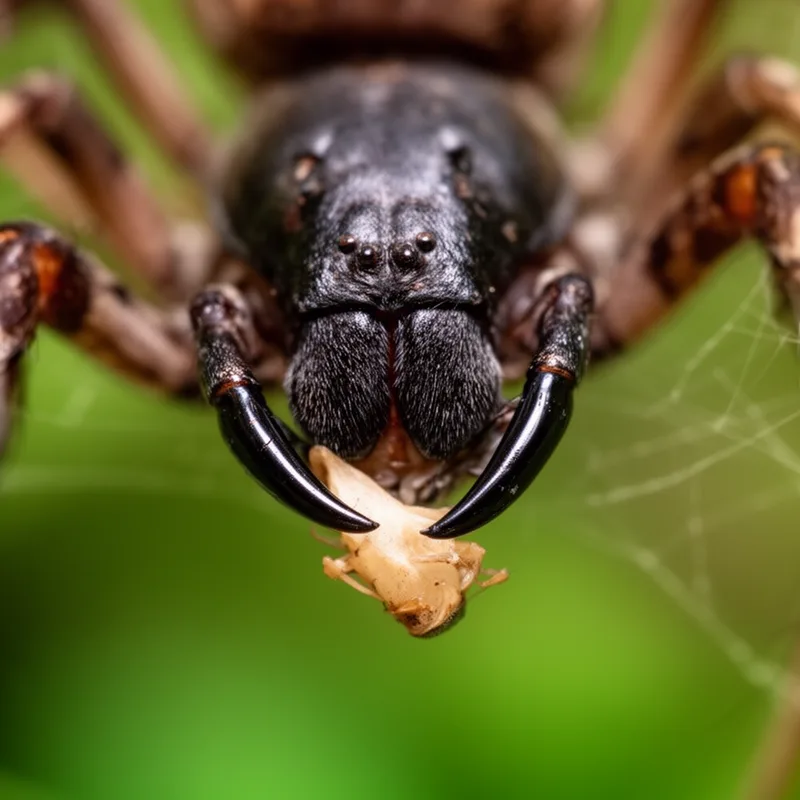
chelicerous
- adjective
- Specialized
- Most arachnids are chelicerous creatures, using their chelicerae to grasp and manipulate food.
Examples
-
A spider is classified as chelicerous because it possesses specialized feeding appendages.
-
Researchers studied the chelicerous mouthparts of scorpions to understand their feeding habits.
-
The chelicerous spider caught its prey quickly.
-
Are all chelicerous animals predators?
-
Most arachnids are chelicerous, using their chelicerae to capture their prey.
-
Researchers studied the chelicerous features of spiders to learn how they hunt.
-
A scorpion is considered chelicerous because it has specialized mouthparts for feeding.
Synonyms
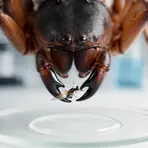
Relating to the small jawlike mouth parts of spiders or scorpions
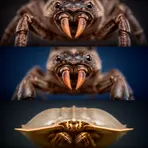
Having mouthparts like the small pincers near the mouths of spiders and scorpions
Surface Forms
Morphology
Etymology
Chelicerous comes from the word chelicerae, the name for the special claw-like mouthparts of spiders and scorpions, and that word comes from a Greek root meaning 'claw' or 'pincer'. So a chelicerous animal is one that has these claw-like parts for holding and eating food.

