

chair car
- noun
- /ˈtʃɛr kɑr/
- Indian
- The train has a chair car for passengers who want more comfort during the journey.
Examples
-
Passengers in the chair car paid a little extra for added amenities.
-
The chair car was comfortable and spacious.
-
I reserved a seat in the chair car to enjoy the larger, reclining chairs.
-
We reserved seats in the chair car for our trip.
-
The train's chair car provided a comfortable space for us to relax during the long journey.
-
Passengers in the chair car enjoyed spacious seats and large windows to take in the scenic views.
-
For a more luxurious experience, many travelers choose to book tickets in the chair car instead of the standard coach.
Synonyms
 9
2.6
9
2.6

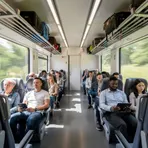
A part of a train that carries people
 1
2.3
1
2.3
A vehicle that runs on tracks and carries people or goods
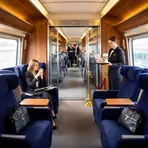
A passenger train car with private seats that costs extra

A train car that has comfortable separate seats and costs extra

A very comfortable train car with individual seats that costs extra
Surface Forms
Morphology
The meaning 'a railway car with individual seats for daytime travel' is directly derivable from combining 'chair' (a seat) and 'car' (a rail vehicle): it names a type of car characterized by chairs rather than berths. This straightforward noun–noun compounding follows regular English patterns and is cross-linguistically common, so a B1 learner who knows both constituents would very likely infer the basic meaning (though fine-grained details like extra fare may need context).
Etymology
The term chair car probably comes from early trains that put real chairs inside a car instead of beds or plain benches. Because passengers paid a little more for this added comfort, chair car came to mean a passenger car with individual seats that could cost an 'extra fare'.