

palace car
- noun
- /ˈpælɪs kɑr/
- Archaic
- He paid extra for an individual chair in the palace car, enjoying the elegant surroundings.
Examples
-
The wealthy travelers reserved a seat in the palace car for added comfort on their journey.
-
During the 19th century, a palace car was a symbol of luxury on long train rides.
-
The train featured a lavish palace car for its passengers.
-
Are you booking a palace car for your trip?
-
In the early 20th century, the palace car offered travelers an extravagant experience with fine dining and comfortable seating.
-
She decided to travel in the palace car to enjoy the luxurious amenities provided during the scenic train journey.
-
Passengers in the palace car were treated to personalized service and spacious accommodations throughout the trip.
Synonyms
 75
1.3
75
1.3

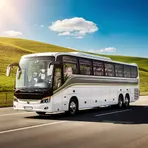
A large comfortable vehicle like a bus or long train carriage
 15
3.0
15
3.0
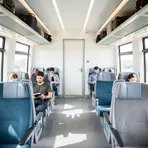
A part of a train that carries passengers
 9
2.6
9
2.6
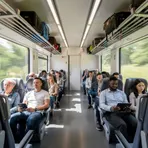
A part of a train that carries people
 3
4.9
3
4.9
A train carriage with a bar and seats for people to relax and talk
 1
5.5
1
5.5
A train car with seats, a bar, and tables for passengers to relax and talk

A train car that has comfortable separate seats and costs extra
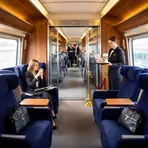
A passenger train car with private seats that costs extra

A part of a train with comfortable individual seats for daytime travel that costs extra
How Luxurious

Surface Forms
Morphology
The compound is compositionally built: 'palace' evokes luxury and 'car' (railway car) denotes a passenger carriage, so a B1 learner who knows both words can infer a luxurious train carriage. Minor details about daytime use or extra fare are cultural/technical specifics, but the core referent (a luxury rail car) is transparently derivable from the constituents.
Etymology
Palace car comes from the image of a small palace on a train: rich travelers paid extra to sit in a train car with fancy seats and roomy, comfortable space. That's why it means a very comfortable train car and came to mean 'luxury' travel that cost extra.