
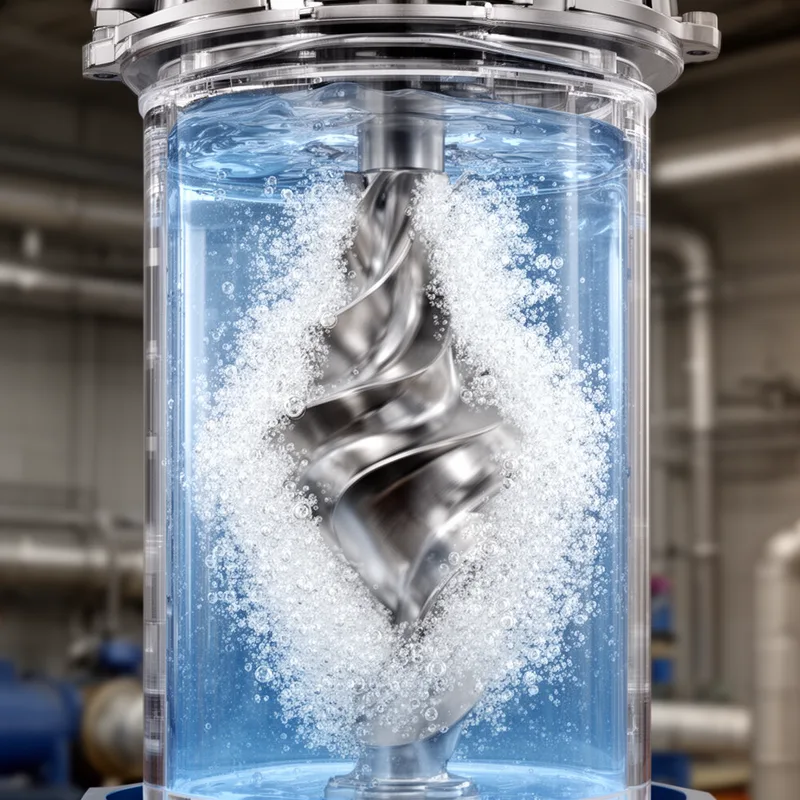
to cavitate


 1
8.8
1
8.8
- verb
- /ˈkævɪˌteɪt/
- Specialized
- The lungs are usually involved, with multinodular infiltrates that may cavitate.
Examples
-
Answering all ahead flank cavitate.
-
The Left's refusal to tolerate religion or spirituality means that they have cavitated a hole in their tooth.
Blog text (2) -
We we we had this, I had this this sound of a tree cavitating in my book.
-
Helm, left full rudder, all ahead flank cavitate.
-
We're cavitating.
-
The nodules can cavitate and, depending on their location, may cause haemoptysis if they are close to a main bronchus, or may cause pneumothorax if they are situated adjacent to the pleura 1 3.
Academic text (2007) -
When the propeller begins to spin too quickly, it can cavitate and form bubbles that hinder performance.
-
During the experiment, we observed that the liquid would cavitate when the pressure dropped suddenly.
-
Engineers must ensure that the design does not allow the pump to cavitate while operating under high stress.
Synonyms
 32
1.0
32
1.0
To make small round pockets of air appear in a liquid
 1
2.9
1
2.9
Make small round pockets of air inside or on a liquid
To form small pockets filled with fluid in tissue

To make small bubbles and light splashes in water
Surface Forms
Morphology
Etymology
Cavitate comes from the Latin root cavus meaning 'hollow', the same root you see in cavity. So to cavitate is to make tiny hollows or bubbles in a liquid, like little 'caves' that appear when pressure drops.