
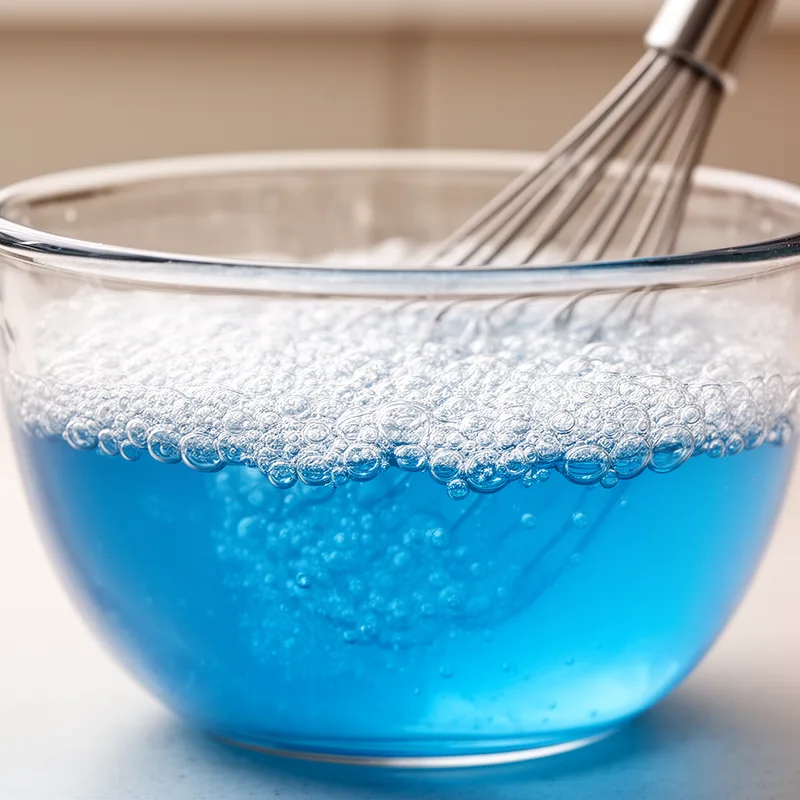
to form bubbles


 1
2.9
1
2.9
- phrasal verb
- As the magma in the chamber cools, crystals form and volatile compounds trapped within the remaining melt exsolve to form bubbles.
Examples
-
Those ampophiles then form bubbles of their own around particles, including the viruses RNA and proteins.
-
The main risk from diving is posed by dissolved nitrogen in the blood and tissues forming bubbles as a diver ascends.
-
Continue cooking until the liquid begins to form bubbles.
-
Stir until the yeast starts forming bubbles.
-
If the mixture is too thin at this point, return to heat and simmer until the mixture forms bubbles again.
Synonyms
 32
1.0
32
1.0
To make small round pockets of air appear in a liquid
 23
1.7
23
1.7
To become covered with small bubbles, like milk when heated
 19
3.7
19
3.7
To move up in bubbles or appear suddenly
 10
3.0
10
3.0
To make small bubbles form on the surface of a liquid
 6
3.0
6
3.0
To form many small bubbles, as in champagne
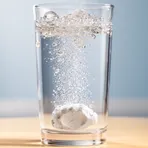 3
3.0
3
3.0
To make bubbles and a soft hissing sound in a liquid
 1
2.8
1
2.8
To become covered with bubbles
 1
8.2
1
8.2
To make small bubbles in a liquid or to behave in a lively, excited way
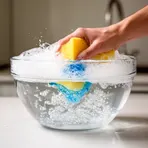
To form bubbles and foam in a liquid
How Bubbly

Surface Forms
Morphology
The meaning 'to produce small pockets of air in a liquid' is directly built from the literal meanings of 'form' (to create or take shape) and 'bubbles' (small pockets of air), so a B1 learner who knows both words can derive the MWE. This is a straightforward compositional event-descriptive phrase common across languages and not idiomatic or metaphorical.
Etymology
Form bubbles comes from the simple picture of a liquid making small round pockets of air called bubbles that form on the surface when you shake or stir it. So the phrase means 'to make small round pockets of air or gas in a liquid'.