
carbide
 8
7.5
8
7.5

- noun
- /ˈkɑːrbaɪd/
- Specialized
- The arrows point to niobium carbide particles on the grain boundaries.
- silicon carbide
- tungsten carbide
- chromium carbide
Examples
-
On the sole of each unit are six carbide spikes that grab onto ice and reduce the possibility of slipping.
Academic text (2000) -
The introduction of carbide lamps and boat engines expanded the industry.
Academic text (1993) -
Father was in charge of the carbide lamp; its green light flooded his face.
Fiction book (1997) -
And the tool for this job is the incredible carbide tipped hole saw.
-
A full range of interchangeable bur tips is available in carbide, diamond, and perforator styles.
Academic text (1995) -
I used a solid carbide spiral bit that you can find on inventable store and took small passes until the whole thickness of the boards was cut.
-
The engineer chose a carbide drill bit for its durability in tough materials.
-
The grinding tool was made from carbide, allowing for precise cuts in metal.
-
Using a carbide blade can improve the efficiency of your woodworking projects.
Compounds

- Specialized
A hard gray chemical that makes acetylene gas when it touches water and is used in industry


- Specialized
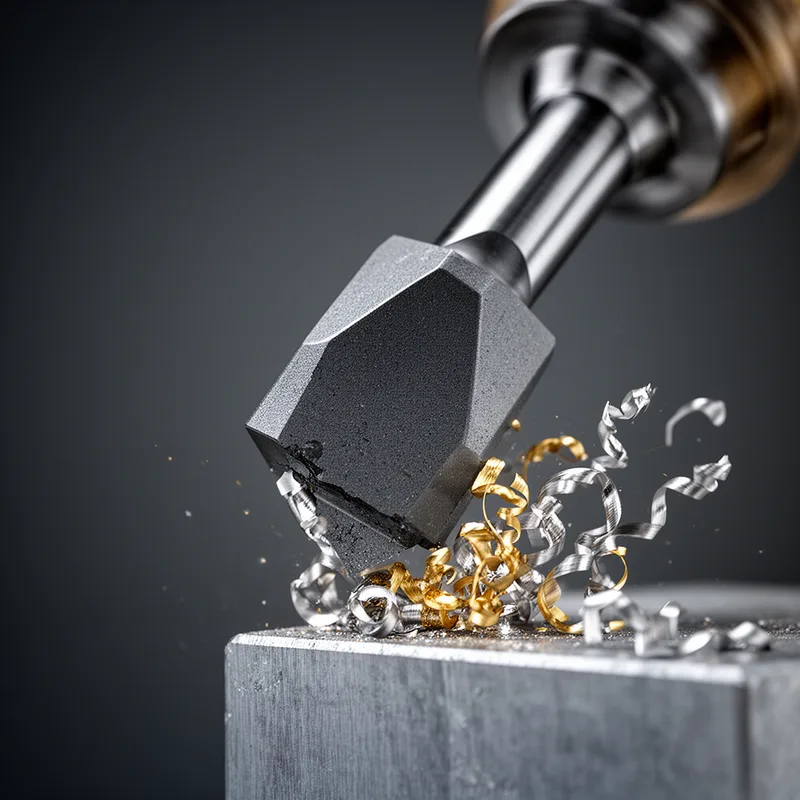
A very hard dark material used to cut and grind things and in some electronic parts
How Hard

Surface Forms
Morphology
Etymology
The word carbide comes from the root carb-, from Latin carbo meaning 'coal' or 'carbon', and the chemistry ending -ide, which shows a compound. So a carbide is literally a chemical 'compound' of carbon combined with another element, which is why carbide materials have carbon with a metal or other element.