

cachalot
- noun
- /ˈkæʃəˌlɑt/
- Archaic
- Ambergris, a valuable substance, is produced in the digestive system of the cachalot.
Examples
-
The cachalot is known for its deep diving abilities.
-
The cachalot is renowned for its deep dives in search of squid.
-
A gigantic cachalot surfaced near the research vessel, thrilling everyone on board.
-
Many cachalots can be found in the waters off the coast of California.
-
The cachalot is known for its large head and deep diving abilities.
-
Once spotted near the coast, the cachalot became a popular attraction for tourists.
-
Scientists study the cachalot to better understand the deep-sea ecosystem.
Synonyms
 4
3.7
4
3.7

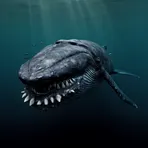
A very large whale with a huge head and big teeth that lives in deep oceans

A large whale with a square head that holds oil

A very large whale with a big head that dives deep to eat squid

A very large whale like the sperm whale that has oil and ambergris in its head
Surface Forms
Etymology
Cachalot comes from French and Spanish forms like cachalot/cachalote, names sailors used for this large whale. One idea is the name once meant 'big head', which is an easy way to remember it because the cachalot, the same animal as the sperm whale, has a huge head that holds oil and sometimes ambergris.