

Physeter macrocephalus
- noun
- /faɪˈsiːtər ˌmækroʊˈsɛfələs/
- Specialized
- The Physeter macrocephalus, also known as the sperm whale, has been observed diving to incredible depths to hunt for its prey.
Examples
-
Did you know that the Physeter macrocephalus can dive over 3,000 feet?
-
The massive head of the Physeter macrocephalus contains the largest brain of any animal.
-
The Physeter macrocephalus can dive to great depths in search of squid.
-
Researchers tracked a pod of Physeter macrocephalus off the coast of New Zealand.
-
The Physeter macrocephalus is known for its impressive size.
-
Researchers have documented that the Physeter macrocephalus can hold its breath for over 90 minutes while foraging in the ocean.
-
The unique body shape of the Physeter macrocephalus makes it one of the most recognizable species of marine mammals.
Synonyms

 4
3.7
4
3.7

A very large whale with a huge head and big teeth that lives in deep oceans

A large whale with a square head that holds oil
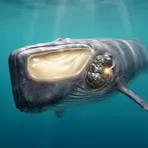
A very large whale with a big head that contains waxy oil and sometimes produces ambergris
Surface Forms
Morphology
Physeter + macrocephalus
The name is compositional in taxonomic terms: 'Physeter' denotes the whale genus and 'macrocephalus' (macro- = large, -cephalus = headed) literally describes a large-headed species, so the overall meaning is deducible from the parts for someone familiar with those roots and naming conventions. However, recognition requires knowledge of Latin/Greek roots and biological binomial conventions (and the input even lacks a dictionary sense for 'macrocephalus'), so an average B1 learner who only knows everyday English vocabulary would not reliably derive the meaning.
Etymology
Physeter macrocephalus may come from old Greek words: Physeter meaning 'blower' and macrocephalus meaning 'big head'. That picture, a whale that blows at the surface and has a very large head, explains why the name refers to the 'sperm whale' today.