

bullrush
- noun
- /ˈbʊlˌrʌʃ/
- Australian
- The bullrush swayed gently in the breeze.
Examples
-
We saw a flock of ducks hiding among the bullrushes at the edge of the pond.
-
Many birds nest among the bullrushes by the lake.
-
Gardeners often plant bullrushes to improve water quality in wetland areas.
-
The bullrush is known for its long, flexible stems that grow in marshy soils.
-
The weaver used bullrush fibers to create a beautiful mat for her home.
-
In the marsh, the bullrush swayed gently in the breeze, providing habitat for various birds.
-
They harvested bullrush to craft traditional chair seats during the summer season.
Synonyms
 26
8.5
26
8.5

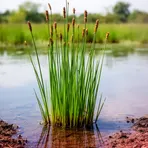
A plant like grass that grows in wet places
 11
8.5
11
8.5
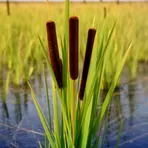
A tall marsh plant with a brown sausage-shaped seed head and long flat leaves used for making mats and seats


 1
7.1
1
7.1
A tall plant with long soft stems that grows in wet places like marshes or riverbanks

A tall marsh plant with long flat leaves and a brown seed head that releases fluffy down

A tall marsh plant with long flat leaves and long brown seed heads used for weaving mats and chair seats
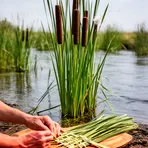
A tall marsh plant with long brown seed heads and flat leaves used for weaving
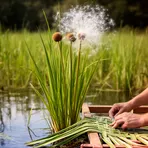
A tall plant that grows in wet places with round seed heads that burst and long leaves used for weaving

A tall water plant with long narrow leaves and brown flower spikes that grows in shallow water
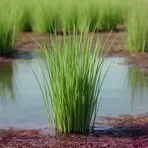
A tall plant with many soft, upright stems that grows at the edges of ponds and marshes

A tall plant with soft, round stems that grows in marshes and by ponds
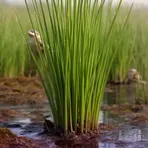
A tall grass-like plant with soft upright stems that grows in wet places
Compounds
A tall water plant with long narrow leaves and brown flower spikes that grows in shallow water
How Tall

Surface Forms
Morphology
Etymology
The word bullrush comes from bull and rush, where rush is the common name for water plants and bull likely points to the plant's thick, strong seed head as if it were 'big' like a bull. So, a bullrush is a large wetland plant with long stems and a heavy brown seed head often used for making mats and chair seats.