

lesser bullrush
- noun
- The lesser bullrush thrives in shallow, slow-moving water near the edge of lakes.
Examples
-
Wetlands restoration projects often include planting native species such as the lesser bullrush.
-
Birds use the dense stands of lesser bullrush as shelter during nesting season.
-
The lesser bullrush thrives in wetland areas.
-
Many birds nest in the lesser bullrush.
-
Birds use the dense stands of lesser bullrush as shelter during nesting season.
-
The lesser bullrush thrives in shallow, slow-moving water near the edge of lakes.
-
Wetlands restoration projects often include planting native species such as the lesser bullrush.
Synonyms
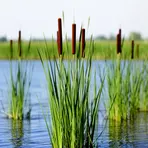
A tall water plant with narrow leaves and a long brown flower spike that grows in wetlands

A wetland plant with narrow leaves and a brown flower spike
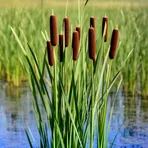
A tall marsh plant with long narrow leaves and a brown flower head
Surface Forms
Morphology
The meaning is directly built from the parts: 'lesser' (smaller or of reduced significance) modifies 'bullrush' (a tall wetland plant), so the phrase denotes a smaller or distinct species of bullrush. This simple adjective + noun composition is compositional and cross-linguistically common, so a B1 learner who knows both words can infer the MWE's meaning.
Etymology
Lesser bullrush comes from a simple picture: marsh plants called rushes had very strong stems, so people compared them to a bull and called them 'bull rushes'. The word lesser means the 'smaller' kind, so the name helps you picture a smaller, tough reed that grows in wetlands with long leaves and brown flower spikes.

