

to brittle
- verb
- /ˈbrɪtəl/
 :
fragilizar
:
fragilizar
- Over time, exposure to sunlight brittled the plastic toys in the garden.
Examples
-
The old wood brittled and cracked as we moved it.
-
If you heat glass too quickly, it can brittle and shatter unexpectedly.
-
The cold wind brittled the leaves, making them crumble at a touch.
-
Don't let the candy brittle too long!
-
The cold wind brittled the leaves, making them crumble at a touch.
-
Over time, exposure to sunlight brittled the plastic toys in the garden.
-
The old wood brittled and cracked as we moved it.
Synonyms

To make something more likely to break
Antonyms


Compounds

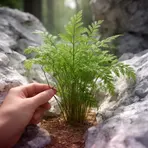
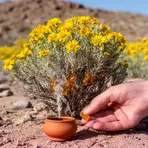
- US
A scented desert shrub with brittle stems, yellow flowers, and a sticky resin used in incense


A tropical American fern that people often grow for its broad divided leaves
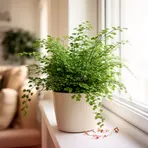
A tropical fern with thin, easily broken leaves often grown indoors for its pretty look

A sea animal like a starfish with a small round body and long thin arms that break easily

How Brittle

Surface Forms
Etymology
Brittle as a verb comes from the idea of making something able to 'break', the same basic image behind break. So to brittle something is to make it hard and more likely to crack or fall apart.