
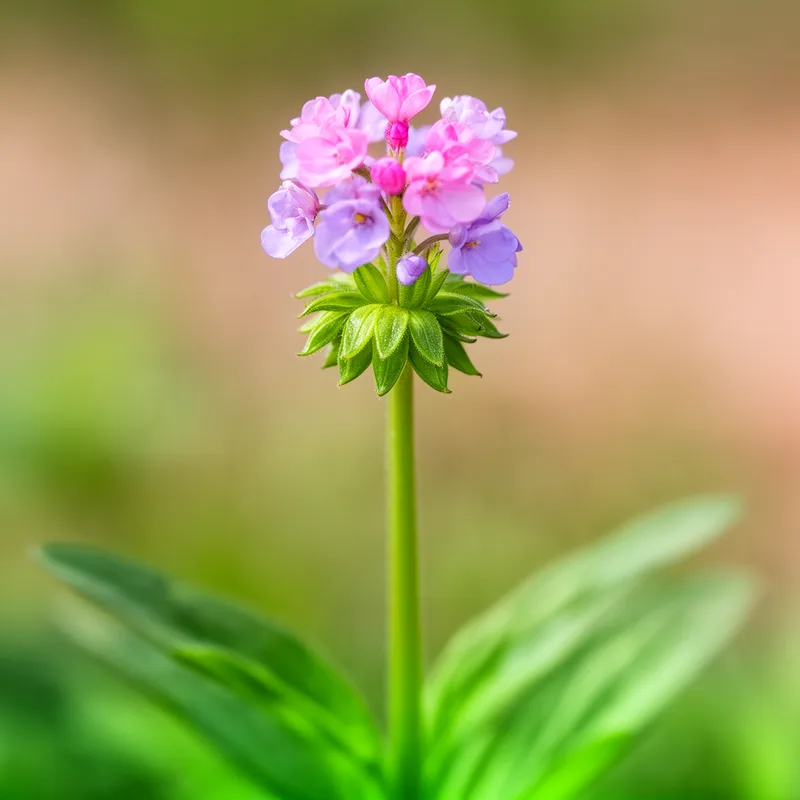
bracteolate
- adjective
- /ˌbræk.tiˈoʊ.lɪt/
- Specialized
- The bracteolate flowers were easily identified by the tiny leaf-like structures beneath the blossom.
Examples
-
In some grasses, the spikelets are bracteolate, distinguishing them from related types.
-
This species is notable for its bracteolate inflorescence, which aids in species distinction.
-
The bracteolate flowers of the plant are quite unique.
-
Some species are bracteolate while others are not.
-
The bracteolate flowers of this plant have small leaf-like structures that help attract pollinators.
-
In botany, bracteolate describes species with distinct, small bracts positioned below the flowers.
-
You can recognize bracteolate plants by the small bracts that often accompany their blossoms.
Synonyms



 1
9.8
A plant that has small leaf-like parts near its flowers that often protect them
Having small leaf-like parts under flowers
Like a leaf just below a flower that often looks bright
How Bracted

Surface Forms
Morphology
Etymology
Bracteolate comes from bract, a word for a small, leaf-like part under a flower, and the little ending -ole, which means 'small' like in 'booklet'. So, bracteolate means 'having tiny leaf-like parts beneath the blossom'.