

bracteate
- adjective
- /ˈbrækteɪt/
- Specialized
- Many flowering plants in the family Asteraceae are bracteate, with small leaf-like structures beneath the flower heads.
Examples
-
This species can be distinguished from others by its bracteate stems, which are lined with narrow bracts.
-
The bracteate inflorescence provided protection and support for the emerging flowers.
-
The bracteate flowers of the plant attract many pollinators.
-
Many bracteate species thrive in tropical climates.
-
Many flowering plants in the family Asteraceae are bracteate, displaying small leaf-like structures beneath their flower heads.
-
The bracteate inflorescence helps support and protect the flowers as they develop.
-
Our garden features several bracteate plants, each adorned with striking bracts that enhance their beauty.
Synonyms



 1
9.8
A plant that has small leaf-like parts near its flowers that often protect them
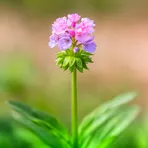
Having small parts that look like leaves under a flower or group of flowers
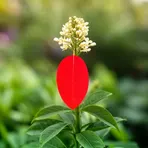
Like a leaf just below a flower that often looks bright
Antonyms
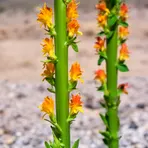
How Bracted

Surface Forms
Morphology
Etymology
Bracteate comes from the Latin bractea, which meant a 'thin plate' or 'leaf', and it gave the English word bract, a small leaf under a flower. So bracteate means 'having bracts', a plant with small leaf-like parts beneath its flowers.