
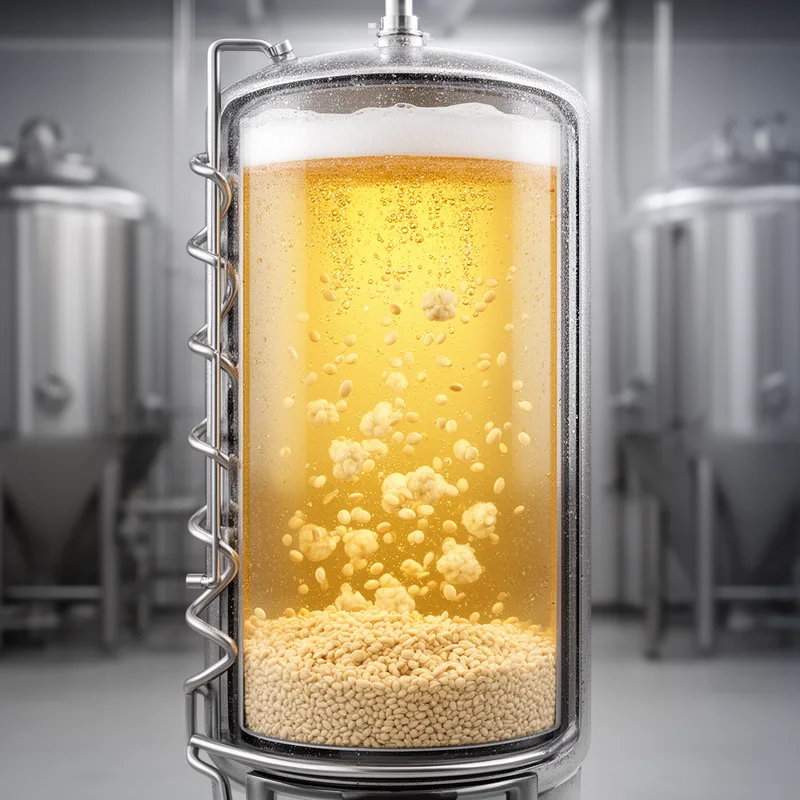
bottom fermenting yeast
- noun
- Specialized
- Lager is traditionally brewed using bottom fermenting yeast, which works best at lower temperatures.
Examples
-
The distinction between ales and lagers lies mainly in the use of bottom fermenting yeast versus top-fermenting strains.
-
Modern breweries often select specific strains of bottom fermenting yeast to achieve consistent flavor in their lagers.
-
The bottom fermenting yeast is crucial for brewing.
-
Many craft breweries prefer bottom fermenting yeasts for their unique flavors.
-
Lager is traditionally brewed using bottom fermenting yeast, which works best at lower temperatures.
-
Modern breweries often select specific strains of bottom fermenting yeast to achieve consistent flavor in their lagers.
-
The distinction between ales and lagers lies mainly in the use of bottom fermenting yeast versus top-fermenting strains.
Surface Forms
Morphology
The phrase is compositional: 'bottom' + 'fermenting' functions as a modifier of 'yeast', indicating where or how the yeast ferments. A B1 learner who knows 'bottom', 'ferment', and 'yeast' can infer it refers to yeast that ferments/settles at the bottom (used for lagers), so the meaning is directly derivable from the parts.
Etymology
Bottom fermenting yeast is named for what the yeast does: this yeast sinks to the bottom of the tank while it is fermenting the beer. Because these yeasts work best at cooler temperatures, brewers use them for 'lager' beers, so the name links the simple image to the kind of beer it makes.

