

to befog


 1
8.8
- verb
- /bɪˈfɔɡ/
- Too many details can befog the main point of the presentation.
Examples
-
The remembrance of Christ can be made in a way that befogs other memories, the memories harbored by those beside us at the table or of those who feel alienated from the table.
Academic text (2006) -
Torture does what the Russian writer Aleksander Solzhenitsyn described in The Gulag Archipelago: it "befogs the reason, undermines the will, and the human being ceases to be himself, to be his own 'I.'"
Blog text (11) -
The fog and rain befog the view of the mountains.
-
The complicated instructions only serve to befog the students.
Synonyms
 90
3.6
To make something hard to see or understand
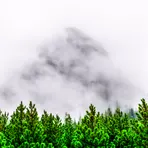 84
7.0
Make something hard to see or understand
 77
4.4
To make something less clear or bright by covering it
 51
6.8
To make people not notice something by being more obvious
 15
5.2
To make something hard to see or understand
 14
5.4
Hide something so you cannot see it or remember it
 3
5.6
To make an image or sound unclear
 3
3.1
To become covered with fine drops that make something less clear
 1
5.7
Covered by mist so you cannot see far
 1
8.9
To make something less clear and hard to see, often by smoke, fog or strong feelings
 1
6.1
To make an outline, sound, or feeling less clear
 1
9.9
To make the edges of things look dim or blurred
 1
9.9
Make something unclear or hard to understand
 1
5.3
Look less clear as if covered by a thin mist
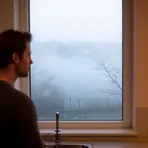
Make the view hard to see because of fog or smoke

To make something, like light and memory, less bright or clear
Antonyms


How Clear

Surface Forms
Morphology
Etymology
The word befog comes from the start be- (a small word part that means 'make' or 'cover') plus fog, the mist you see in the air, so it originally meant 'to cover with fog'. That's why to befog something is to make it unclear or hard to understand.