

astringence
- noun
- /əˈstrɪn.dʒəns/
- Specialized
- Some red wines are prized for their subtle astringence.
Examples
-
The astringence of the unripe fruit made my mouth pucker.
-
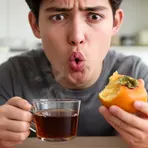
The astringence of the unripe persimmon made my mouth pucker.
-
Green tea often leaves a mild astringence on the palate after drinking.
-
There is a noticeable astringence in this wine.
-
The astringence of the unripe fruit made my mouth pucker.
-
After drinking the astringent herbal tea, I felt a sharp sensation in my mouth.
-
The astringence of the wine left a dry, tart taste on my tongue.
Synonyms


 1
8.4
1
8.4
A sharp taste that makes your mouth pucker and feel dry
Antonyms

Surface Forms
Morphology
astringence = astringent (semi-transparent) = astringent + ence
The noun is a regular nominalization of 'astringent', but the adjective is a learned Latinate word with a fairly specialized meaning.
Etymology
The word astringence comes from Latin parts ad- 'to' and stringere 'to tighten', the same root as the common word string. So astringence is a sharp, puckering taste or feeling that makes your mouth feel tight.