
astringent
 1
7.7
1
7.7

- adjective
- /əˈstrɪn.dʒənt/
- Specialized
- Tell your grandmama to get you some astringent lotion.
- astringent antiseptic
- skin astringent
- astringent properties
Examples
-
What I have here is just a little small bottle of astringent for the skin.
-
And that's why astringent wines and tea, black tea, have that kind of drying quality on the mouth.
-
Mix a few drops in a bottle of water to make an antiseptic astringent.
Blog text (10) -
Step 4: To cut down on secretion and help the ice work effectively, dab in some astringent.
Blog text (16) -
An all-natural astringent like witch hazel costs only 2 or 3 bucks, and it is available at nearly every drug store and food market.
Blog text (19) -
Mint: Calms the stomach, intestinal tract, and the nervous system while cleansing the skin with its astringent properties.
Blog text (15) -
Use it as an astringent if you have oily or combination skin, and add some avocado if your face is a little dry, and you'll get cleansing and hydration.
Blog text (21) -
After washing your face, use a toner or astringent to tighten the skin and reduce oiliness.
-
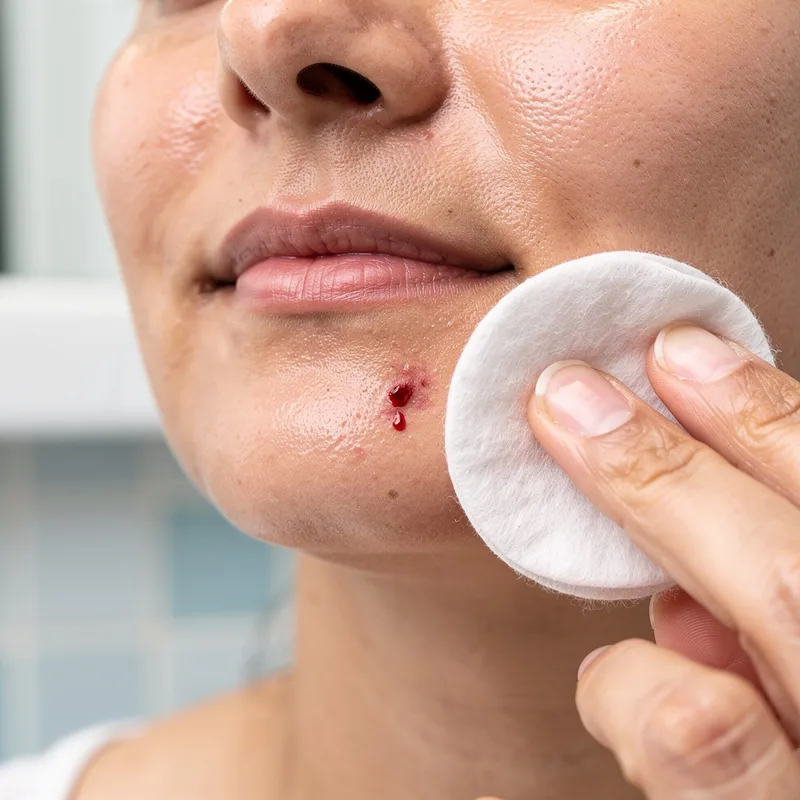
Using an astringent can help soothe minor cuts and assist with healing by constricting blood vessels.
-
A mild astringent like witch hazel can effectively reduce inflammation and improve skin texture.
Antonyms


Compounds

- Specialized
A medicine that makes body tissues tighten to reduce bleeding or discharge
How Astringent

Surface Forms
Etymology
Astringent comes from the Latin stringere ('to tighten'), so the word literally means 'something that tightens'. That's why an astringent substance is used to draw together skin or stop small bleeding and can make skin feel firmer.