

astringency


 1
8.4
1
8.4
- noun
- /əˈstrɪn.dʒən.si/
- This growth in astringency is why, even though tea and wine have only a weak effect at first, sipping them throughout a fatty meal eventually enables the astringents to counterbalance the strong lubricating effect of the fat.
- astringency of the tannins
Loading YouTube…
Watch on YouTubeThird is try and pick your plants that are high in colour and taste and astringency, bitterness.
- Third is try and pick your plants that are high in colour and taste and astringency, bitterness.
- Sweet tarts have an astringency to them that it's not just sour and sweet, it's also astringency.
Examples
-
Third is try and pick your plants that are high in colour and taste and astringency, bitterness.
-
Sweet tarts have an astringency to them that it's not just sour and sweet, it's also astringency.
-
The astringency of the unripe fruit made it difficult to enjoy its flavor.
-
Many red wines have a noticeable astringency that can make your mouth feel dry.
-
The tea had a pleasant astringency, which complemented its strong flavor.
Synonyms
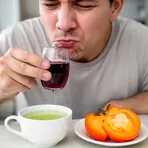
A sharp, puckering taste that makes your mouth feel dry, often in tea or wine
Antonyms

Surface Forms
Morphology
astringency = astringent (transparent) = astringent + ency
Standard derivation from the adjective 'astringent' to name the property or quality; meaning is directly predictable from the base.
Etymology
Astringency comes from the old Latin verb astringere ('to draw tight') and is related to English words like string and strict. So when food or drink has astringency it makes your mouth feel 'tight' or dry, which explains the puckering taste in strong tea or unripe fruit.