
argillaceous


 1
9.9
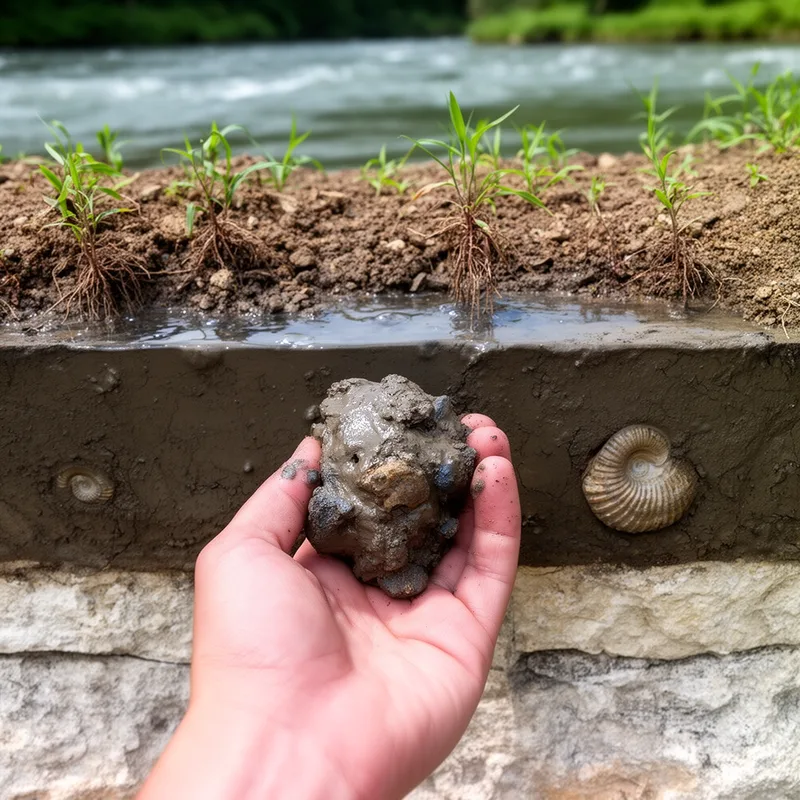
A rock or soil that contains a lot of clay
- adjective
- /ˌɑrɡɪˈleɪʃəs/
- Specialized
:
arcilloso
- Farmers often avoid planting in argillaceous soil because it tends to retain too much water.
Examples
-
The construction workers found that the argillaceous soil made digging more difficult.
-
The geologist identified the argillaceous rock as an important indicator of the area's sedimentary history.
-
Shale, from an Old Norse word for "scale," is a fissile, laminated argillaceous mudstone (first defined technically in 1757).
Blog text (18)
Synonyms

claylike
vsargillaceous
1
3.4
Having a soft sticky texture like wet clay
is the precise scientific label focusing on actual composition
clayey
vsargillaceous
1
6.8
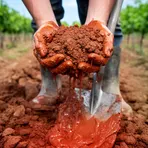
Soil that is thick and sticky because it contains a lot of clay
is the scientific formal term for the same property

clayish
vsargillaceous
1
4.4
Has the feel of heavy, sticky soil that becomes soft when wet and is used to make pots
is the formal scientific term rather than a casual descriptor
Antonyms

Compounds

How Clayey

Surface Forms
argillaceous positive
Morphology
Etymology
Argillaceous comes from the Latin argilla, meaning 'clay', and the ending -aceous, meaning 'made of' or 'like'. So it describes rocks or soils that are 'clay-like' or that contain clay.