
argillaceous
9.9
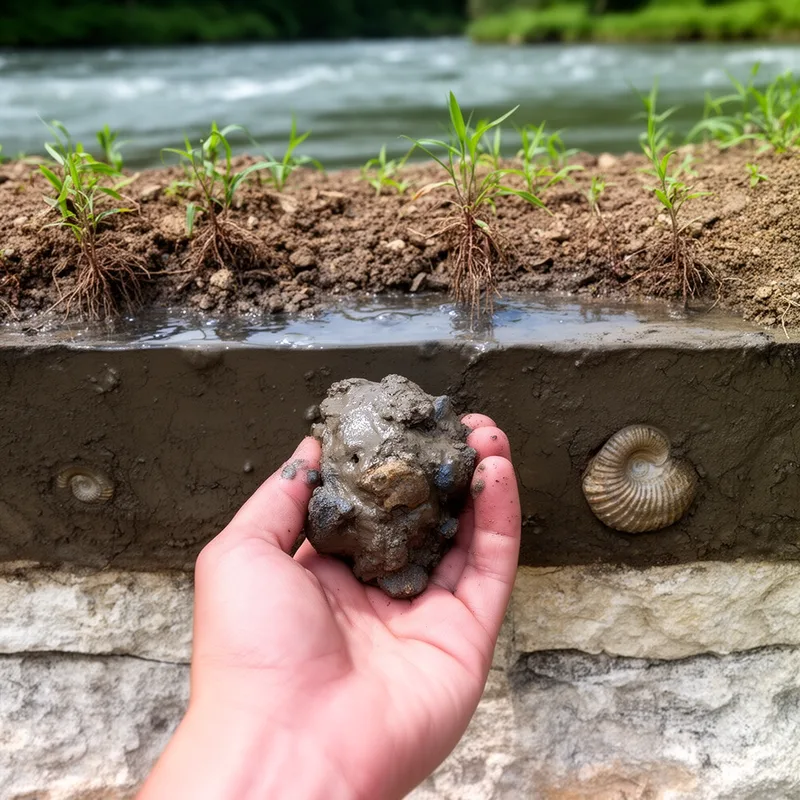
A rock or soil that contains a lot of clay
- adjective
- /ˌɑrɡɪˈleɪʃəs/
- Specialized
:
arcilloso
- Farmers often avoid planting in argillaceous soil because it tends to retain too much water.
Examples
-
The construction workers found that the argillaceous soil made digging more difficult.
-
The geologist identified the argillaceous rock as an important indicator of the area's sedimentary history.
-
Shale, from an Old Norse word for "scale," is a fissile, laminated argillaceous mudstone (first defined technically in 1757).
Blog text (18)
Synonyms

claylike
vsargillaceous


 1
3.4
1
3.4
Having a soft sticky texture like wet clay
is the precise scientific label focusing on actual composition
clayey
vsargillaceous
6.8
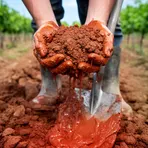
Soil that is thick and sticky because it contains a lot of clay
is the scientific formal term for the same property

clayish
vsargillaceous
4.4
Has the feel of heavy, sticky soil that becomes soft when wet and is used to make pots
is the formal scientific term rather than a casual descriptor
Antonyms

Compounds

How Clayey

Surface Forms
argillaceous positive
Morphology
Etymology
Argillaceous comes from the Latin argilla, meaning 'clay', and the ending -aceous, meaning 'made of' or 'like'. So it describes rocks or soils that are 'clay-like' or that contain clay.