

clayish
- adjective
- /ˈkleɪɪʃ/
- Her hands were stained from working with the clayish mud by the riverbank.
Examples
-
The artist mixed water with the clayish material to create a smooth texture for his sculpture.
-
After the rain, the clayish earth became soft and easy to mold with my hands.
-
The garden struggled to drain because the soil was too clayish after the rain.
-
The potter preferred a clayish mixture for shaping sturdy bowls.
-
The sculpture had a clayish texture that felt soft to the touch.
-
This clayish soil is perfect for planting vegetables.
-
The clayish surface of the pot made it ideal for shaping intricate designs.
Synonyms


 1
3.4
1
3.4
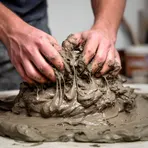
Having a soft sticky texture like wet clay
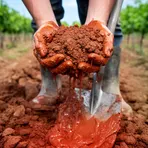
Soil that is thick and sticky because it contains a lot of clay
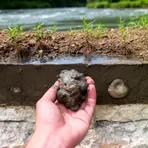
A rock or soil that contains a lot of clay
How Clayey
 1
3.4
1
3.4
Surface Forms
Morphology
Etymology
The word clayish comes from the simple word clay and the ending -ish. The ending -ish means 'like' or 'having the quality of', just like in greenish, so clayish means 'like clay' in appearance or feel.