

aplastic anemia
 8
7.0
8
7.0

- noun
- /ˌeɪplæstɪk əˈniːmiə/
- Specialized
- The reduction or absence of red blood cells causes aplastic anemia.
- a rare condition
- severe aplastic anemia
- treat aplastic anemia
Examples
-
However, PVB19 appears to be a fairly rare cause of aplastic anemia in healthy individuals.
Blog text (29) -
Aplastic Anemia
Academic text (2003) -
Maddie received a bone marrow transplant two years ago for severe aplastic anemia and is cured as a result.
-
In 1988, about 2,000 cases of aplastic anemia were diagnosed across the country.
-
From the age of 12, Hamm's beloved big brother lived with aplastic anemia, a rare blood disorder.
Synonyms
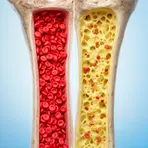
Bone marrow does not make enough red blood cells
Antonyms


How Productive

Surface Forms
Morphology
The meaning is compositionally derived: 'aplastic' (cannot form new cells) modifies 'anemia' (low red blood cells) to indicate anemia caused by a failure of cell production (bone marrow failure). This ADJ+NOUN medical construction is transparent and cross-linguistically regular, so a learner who knows both constituents can infer the overall meaning.
Etymology
Aplastic anemia combines aplastic (literally 'not making') and anemia ('not enough blood cells'). It describes when the bone marrow stops making enough blood cells, so the body has too few red cells, white cells, and platelets.