

alcohol radical
- noun
- /ˈæl.kə.hɔːl ˈræd.ɪ.kəl/
- Specialized
- In organic chemistry, the alcohol radical is often represented as –OH.
Examples
-
The presence of an alcohol radical in the molecule significantly affects its solubility.
-
The alcohol radical is responsible for the characteristic reactions of alcohols.
-
The alcohol radical is essential in organic chemistry.
-
Many compounds contain an alcohol radical in their structure.
-
In organic chemistry, the alcohol radical is often represented as –OH.
-
The alcohol radical is responsible for the characteristic reactions of alcohols.
-
The presence of an alcohol radical in the molecule significantly affects its solubility.
Synonyms
 1
7.9
1
7.9

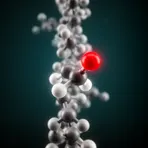
A group of one oxygen and one hydrogen atom in a molecule
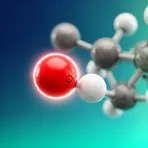
A part of a molecule with one oxygen and one hydrogen atom found in alcohols
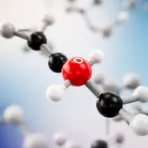
A part of a molecule with an oxygen and hydrogen joined to a carbon atom
Surface Forms
Morphology
Although the constituents are technically defined, the common sense of 'radical' as a highly reactive species conflicts with the MWE meaning of a stable univalent group (–OH). The use of 'radical' to mean 'chemical group' is specialized/archaic jargon, so a B1 learner who knows the parts would not reliably derive 'hydroxyl group' from them.
Etymology
Alcohol radical comes from older chemistry where the word 'radical' meant a basic 'root' or part of a molecule that stays the same. The small part –OH works like that root and gives alcohols their properties, so the name points to the 'group' that makes a molecule an alcohol.