
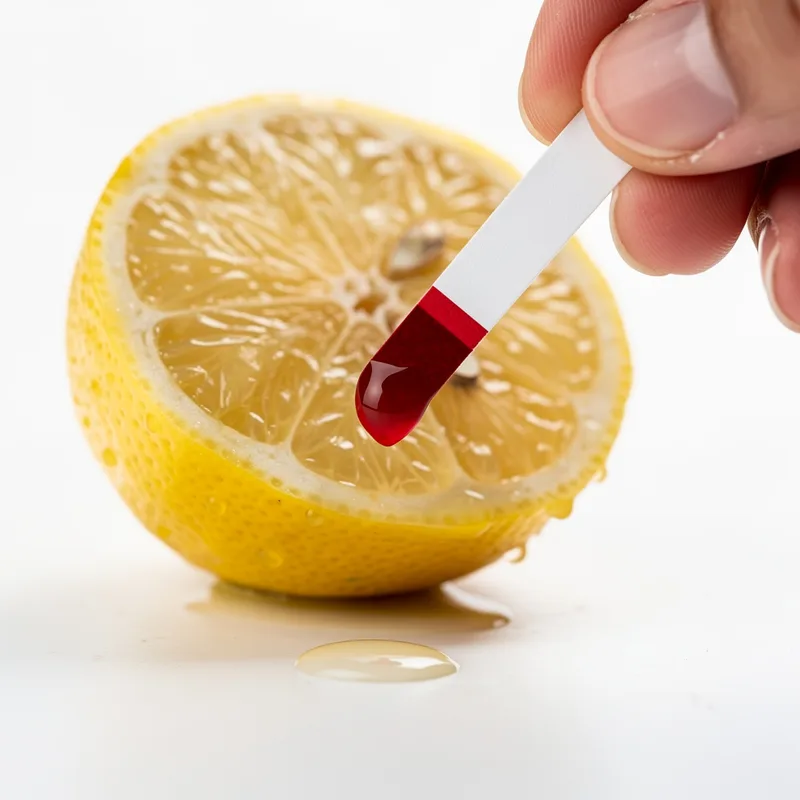
acidic
 23
3.9
23
3.9

- adjective
- /əˈsɪdɪk/
- Plants rely on a very, very stable pH, whether it's acidic or alkaline to uptake nutrients.
- acidic pH
- acidic soil
- acidic solution
Loading YouTube…
Watch on YouTubeSo the protein coordinates with some acidic side chains.
- So the protein coordinates with some acidic side chains.
- Plants rely on a very, very stable pH, whether it's acidic or alkaline to uptake nutrients.
- And tea will make the saliva more acidic and make your oral health potentially less good.
- It produces a gas, sulphur dioxide, which is acidic, which dissolves in water, which is also bad for us.
- What do you mean you live in like like super hot water that's also salty and acidic?
- Now the acidic tomato, as it's ripening on a lead tray, will absorb the lead.
- They're putting, they're changing the acidic state of the brain so that the seizure is stopped.
Examples
-
On average, the normal pH of earwax is 6.9, which is slightly on the acidic side.
Academic text (2004) -
The soil in this garden is too acidic for most plants to thrive comfortably.
-
You need a wine that is just as acidic, maybe even more acidic.
-
It's not only hot, it's acidic.
-
We can talk more about how the sea water's becoming too acidic.
-
The water from the storm, it's acidic.
-
So make sure make sure that your plants can handle acidic soil before applying this.
-
Unfortunately, the years of processing acidic water had already taken their toll on the plant's infrastructure.
Academic text (1997) -
Peat bogs are mostly made of highly acidic sphagnum mosses.
-
The lemonade was so acidic that it made my lips pucker.
Synonyms
 4
4.2
4
4.2
Having chemical properties that can burn and react with bases

Having a sharp, sour taste like lemon or vinegar

Slightly sour in taste or tone

A little sour in taste like a lemon
Antonyms

Compounds

How Acidic

Surface Forms
Morphology
Etymology
The word acidic comes from the Latin acidus 'sour', first used for sour foods like lemon; so when scientists named the chemicals that make things sour, acidic came to mean 'containing acid' in chemistry.