

acetyl radical
- noun
- /əˈsiːtəl ˈrædɪkəl/
- Specialized
- An acetyl radical can attach to proteins, altering their function.
Examples
-
The acetyl radical plays a key role in many biochemical processes.
-
Many compounds contain the acetyl radical in their structure.
-
Scientists observed the transfer of the acetyl radical during the reaction.
-
The acetyl radical is crucial in organic chemistry.
-
An acetyl radical can attach to proteins, altering their function.
-
The acetyl radical plays a key role in many biochemical processes.
-
Scientists observed the transfer of the acetyl radical during the reaction.
Synonyms

 1
9.3
1
9.3

A small chemical group made from acetic acid that attaches to other molecules

A small chemical part with atoms CH3CO that attaches to other molecules
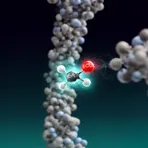
A small part of a molecule with formula CH3CO that changes how the molecule reacts, also called an acetyl group
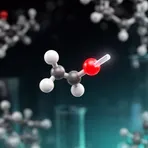
A part of a molecule used in chemistry, formed from the acid in vinegar, written CH3CO
Surface Forms
Morphology
The phrase denotes the radical (a reactive species with an unpaired electron) that is derived from an acetyl group; its meaning is directly built from the constituent meanings. This is a regular, compositional chemical naming pattern (modifier + head) so a learner who knows 'acetyl' and 'radical' can infer the MWE's meaning.
Etymology
Acetyl radical comes from its parts: acetyl, which comes from acetic acid, like 'vinegar', and radical, meaning a small, very reactive piece that joins other molecules. So the name describes a tiny CH3CO- 'group' that can attach to proteins and change how they work.