

Puseyism
- noun
- /ˈpjuːziˌɪzəm/
- Formal
- The theological debates of the 19th century often centered around Puseyism and its influence on Anglican doctrine.
Examples
-
Many clergy opposed the ritual practices promoted by Puseyism.
-
The teachings of Puseyism emphasize the importance of tradition.
-
Her granduncle was an ardent supporter of Puseyism during the peak of the Oxford Movement.
-
What is Puseyism?
-
During the 19th century, the growth of Puseyism significantly impacted the Church of England's liturgical practices.
-
Critics of Puseyism argued that its emphasis on tradition undermined the spirit of reform within the church.
-
Many theologians studied Puseyism to understand its role in shaping modern Anglican beliefs.
Synonyms

Religious ideas from the Oxford Movement that revive older Church of England rituals
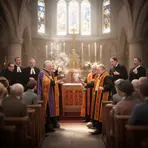
A 19th-century group in the Church of England that wanted to bring back Catholic rituals

A movement in the Anglican church that returns to traditional Catholic beliefs and ritual worship
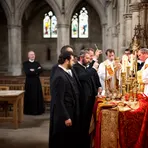
A 19th-century group in the Church of England that wanted to bring back Catholic traditions and oppose some modern changes
Surface Forms
Morphology
Puseyism = Pusey (transparent) = Pusey + ism
Formed by a proper name (Pusey) plus the productive suffix '-ism' denoting a doctrine or movement; the meaning directly follows that pattern.
Etymology
Puseyism comes from the name of Edward Bouverie Pusey, a leader of the Oxford Movement in the Church of England, plus the ending -ism, which means 'a system of belief'. So Puseyism means the religious teachings and practices that Pusey supported.

