

Passiflora
- noun
- /ˌpæsɪˈflɔrə/
- Specialized
- We planted several types of Passiflora to enhance the beauty of our landscape.
Examples
-
I don't know whether it's plausible for an amateur to produce their own seeds or not, nor do I know whether different Passiflora species will hybridize with one another.
Blog text (15) -
The garden was filled with vibrant Passiflora flowers, attracting bees and butterflies.
-
And then our Passiflora coriacea and then it ate our goldfish.
-
She enjoyed the aroma of the Passiflora plants blooming in her backyard.
Compounds

- Specialized
A tropical climbing vine that produces edible purple passion fruit

- Specialized
A tropical passion flower from the Americas with thin leaf parts and stems that smell bad when crushed

- Specialized
A climbing plant from the southern United States with large purple flowers and bland round fruit
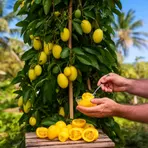
- Specialized
A tropical vine that makes sweet yellow fruit eaten in tropical places
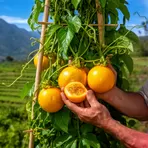


- Specialized
A large tropical vine that makes big edible fruit called granadilla
Surface Forms
Etymology
The word Passiflora comes from the Latin parts passio 'passion' and flora 'flower'. Early European missionaries called it the 'passion flower' because its strange flower parts reminded them of the Christian story of Christ's suffering, and that is why plants in the Passiflora group are still called passionflowers or passion vines today.

