

PIE


 1
9.9
- noun
- /pi/
- Specialized
- Linguists study how sounds and grammar evolved from the ancient pie spoken thousands of years ago.
Examples
-
Proto-Indo-European is considered the pie of languages from which many modern languages descend.
-
Examples are southern-style hush puppies, Boston cream pie, and New York-style cheesecake.
Academic text (1992) -
At the last minute, she'd made a pumpkin pie to ease her conscience.
Fiction book (1994) -
I want two chocolate cream pies and two cups of coffee, please.
-
I have not investigated their etymologies, nor the PIE roots they come from, nor the variety of senses they have.
Academic text (2006) -
The relationship between strengths and placement was plotted in a series of pie charts across symptom and risk levels.
Academic text (2001) -
The documentary explained the significance of pie as the foundation for understanding Indo-European linguistics.
Synonyms
 1
9.9
An ancestor language of many European and Asian languages that people think was spoken long before writing began
 1
9.9
An ancient language that experts think was the common ancestor of many European and Asian languages
Idioms








- Informal
Different parts of life have their own good things to enjoy one at a time
Compounds
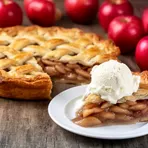


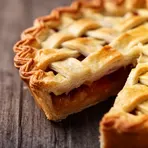








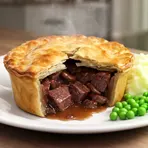 1
2.3
A pastry filled with pieces of beef and kidneys, often cooked in gravy
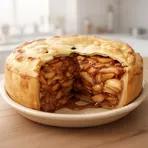



- US
1
2.3
A sweet pie that uses the cooked, mashed part of a winter vegetable like pumpkin






Surface Forms
Etymology
PIE stands for Proto-Indo-European, the very old 'mother' language that is the common ancestor of many modern languages such as English, Hindi and Spanish. A helpful way to remember this is that basic words like 'mother' appear in many languages because they come from Proto-Indo-European, so PIE is the shared source of those languages.