
Nintu
- proper noun
- Literature
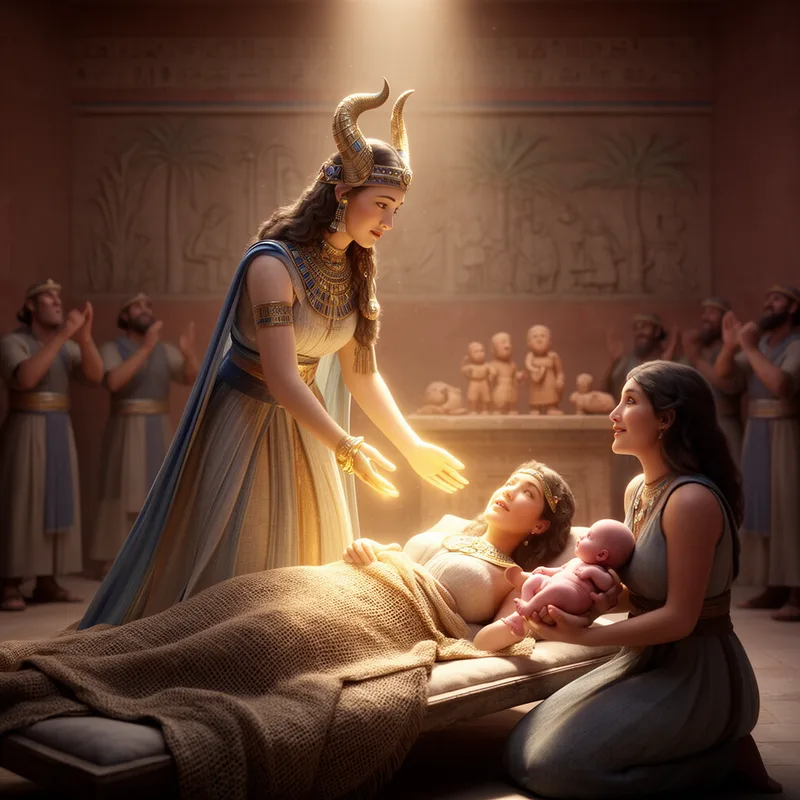
- In ancient texts, Nintu is revered as the creator of mankind.
Examples
-
The ancient texts often refer to Nintu as the 'Lady of Birth'.
-
Priests offered prayers to Nintu during childbirth rituals in Mesopotamia.
-
Archaeological findings reference Nintu in inscriptions dedicated to fertility.
-
Nintu is celebrated during the spring festival in Mesopotamia.
-
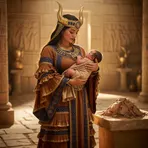
In the myths, Nintu embodies the essence of creation and is revered as the 'Lady of Birth'.
-
Many temples in Mesopotamia were dedicated to Nintu, highlighting her importance in the region's spirituality.
-
Nintu is celebrated in ancient texts as a prominent Mesopotamian goddess of fertility.
Synonyms
 8
9.9
8
9.9

A mother goddess in ancient Mesopotamia linked to childbirth
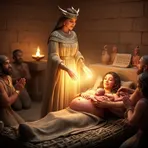
A goddess from ancient Mesopotamia who helps women have safe births

An ancient Sumerian mother goddess who helps plants and people grow and is linked to mountains

A mother goddess in ancient Sumerian stories who is mother to gods and humans

A mother goddess of ancient Mesopotamia who people worship for birth and life
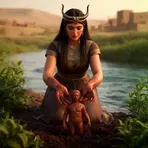
A mother and earth goddess from ancient Mesopotamia who makes humans from clay
Surface Forms
Etymology
Nintu, also called Ninkhursag, comes from ancient Sumerian and means 'lady of birth'. She was worshipped as a mother goddess who helped at births, so her name explains why people prayed to her for babies and safe births.