
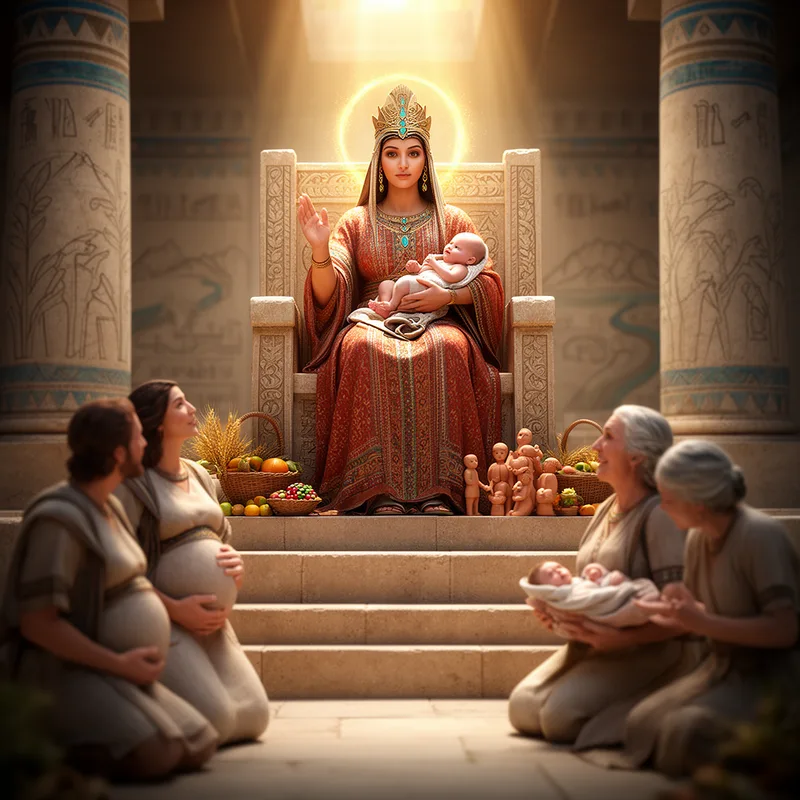
Ninkharsag
- proper noun
- Literature
- In Mesopotamian mythology, Ninkharsag played a central role in the creation of humanity.
Examples
-
In Sumerian mythology, Ninkharsag is associated with fertility.
-
Archaeologists discovered statues dedicated to Ninkharsag in the ruins of Lagash.
-
The ancient Sumerians built temples to honor Ninkharsag as the mother of all gods.
-
The ancient Mesopotamians revered Ninkharsag as the mother goddess.
-
Archaeologists discovered statues dedicated to Ninkharsag in the ruins of Lagash.
-
In Mesopotamian mythology, Ninkharsag played a central role in the creation of humanity.
-
The ancient Sumerians built temples to honor Ninkharsag as the mother of all gods.
Synonyms
 8
9.9
8
9.9

A mother goddess in ancient Mesopotamia linked to childbirth
An ancient Sumerian mother goddess who helps plants and people grow and is linked to mountains

A mother goddess in ancient Sumerian stories who is mother to gods and humans
A goddess from ancient Mesopotamia who helps women have safe births
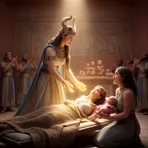
A goddess from ancient Mesopotamia who protects women during childbirth and helps people have babies
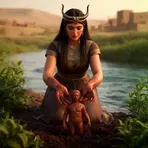
A mother and earth goddess from ancient Mesopotamia who makes humans from clay
Surface Forms
Etymology
Ninkharsag comes from Sumerian parts Nin meaning 'lady' and kharsag meaning 'mountain' or 'sacred hill'. So she is the 'lady of the mountain', a mother figure tied to the earth and to birth and new life, which explains her role as a creator and mother goddess.