
Miocene
 1
9.9
1
9.9

- noun
- /ˈmaɪ.oʊ.siːn/
- Specialized
- Here we examine the rainbow skinks, a large clade that likely diversified rapidly during the mid-late Miocene.
- early Miocene
- middle Miocene
- late Miocene
Examples
-
In June, a NASA climate study announced that the warm middle Miocene era, about 16 million years ago, had carbon dioxide levels of 400 to 600 parts per million.
Blog text (33) -
The Vantage wood data indicate the Miocene was cooler than the Eocene but still warmer than today.
Academic text (1996) -
These species lived between 25 and 10 million years ago, during the Miocene.
Academic text (1992) -
Actually, those ideas of an ice-free Earth before the Miocene are definitely wrong.
Blog text (33) -
How could anything live, for example, in those "acidified" oceans of the Miocene?
Blog text (33) -
New species of primates, antelopes, birds, and carnivores may all have originated in response to several successive cooling plunges during the later Miocene.
Academic text (1994) -
The fossilized remains of mammals from the Miocene epoch provide insight into how modern species evolved.
-
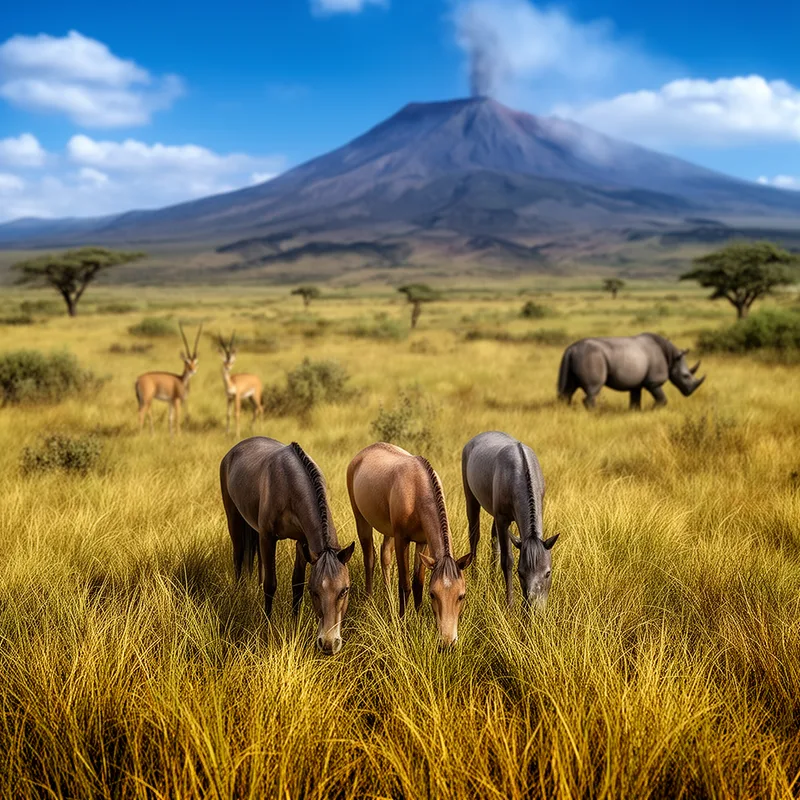
During the Miocene, grasslands expanded significantly, altering the habitats available for many animal species.
-
Researchers have discovered new fossil evidence that sheds light on the climate and geography of the Miocene period.
Synonyms

A time about 23 to 5 million years ago when many animals began eating grass
Compounds
- Specialized
A time about 23 to 5 million years ago when many animals began eating grass
How Old
- Specialized

 1
9.9
1
9.9

- Specialized
- Specialized
- Specialized
1
9.9
- Specialized
1
9.9
- Specialized
1
9.9
- Specialized
1
9.1
Surface Forms
Morphology
Miocene = mio + cene
A technical coinage from classical combining forms (not productive English morphemes); the components are unlikely to convey the meaning of the geological epoch to an average B1 learner.
Etymology
Miocene comes from Greek parts meiōn ('less') and kainos ('new'). So it was named the 'less new' time—newer than very old periods but not as recent as today—which helps you remember it is the geological time about 23–5 million years ago when many modern mammals began to appear.