

Jasminum officinale
- noun
- /ˈdʒæzmɪnəm oʊˈfɪʃəneɪ/
- Specialized
- Many perfumes use extracts from Jasminum officinale to achieve their distinctive aromas.
Examples
-
The Jasminum officinale plant is known for its sweet fragrance.
-
They added dried Jasminum officinale flowers to the tea for extra fragrance.
-
The garden was filled with the sweet scent of Jasminum officinale in full bloom.
-
Have you ever smelled Jasminum officinale in a garden?
-
The sweet scent of Jasminum officinale filled the garden during the warm evenings.
-
In her tea, she adds some leaves from Jasminum officinale for a fragrant flavor.
-
Common jasmine, or Jasminum officinale, is often used to make luxurious perfumes.
Synonyms
 51
2.7
51
2.7

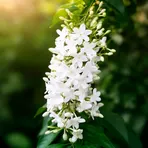
A plant with small white or yellow flowers that smell sweet


 1
9.9
1
9.9
A climbing shrub with sweet-smelling white, yellow, or red flowers used for perfume and tea

A climbing shrub with fragrant white flowers often used to scent tea
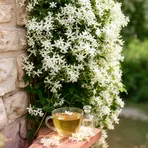
Climbing plant with many sweet-smelling white flowers used in perfume and tea
Surface Forms
Morphology
This is a Latin binomial where the meaning is the straightforward combination of the genus name 'Jasminum' (a jasmine plant) and the species epithet 'officinale' (indicating medicinal/useful species). Because the compound denotes a particular species of jasmine and that relation is compositional and follows standard taxonomic naming conventions found across languages, a learner who knows both constituents can infer the MWE's meaning.
Etymology
Jasminum officinale may come from the old Persian word 'yasmin' for the sweet-smelling flower and from the Latin name officinale, a tag used in old medicine shops to mean 'used in medicine'. So the name pictures the common jasmine people used for perfume, tea, and remedies.