
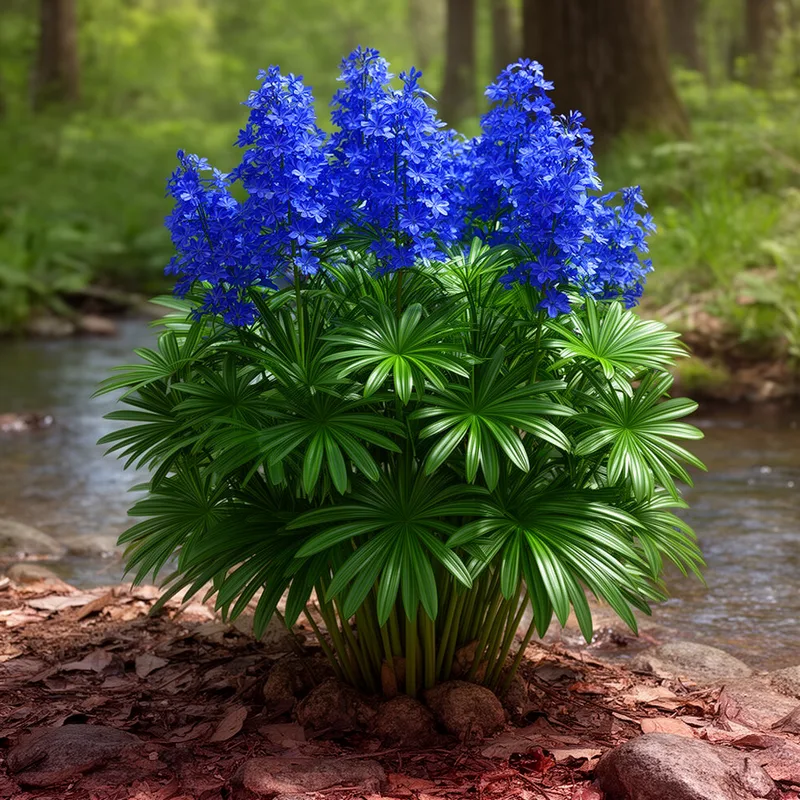
Indian beet
- noun
- US
- The vibrant blue flowers of the Indian beet bloom in late spring across woodland edges.
Examples
-
The Indian beet is often found alongside streams in its native North American habitat.
-
Many gardeners choose the Indian beet for its hardy nature and attractive foliage.
-
The Indian beet blooms beautifully in the spring.
-
Many gardeners love the Indian beet for its vibrant flowers.
-
The Indian beet is known for its striking blue flowers that attract various pollinators.
-
Gardeners appreciate the Indian beet for its sturdy growth and ability to thrive in various climates.
-
In the wild, the Indian beet often grows near water sources, preferring moist, well-drained soil.
Synonyms
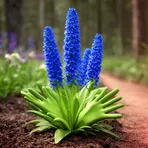
A hardy plant that has blue flowers in long groups and leaves shaped like a hand

A strong, long-lived flowering plant with blue flowers that grows in eastern and central North America
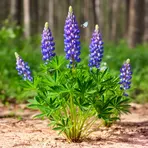
A plant that grows in eastern North America with leaves like a hand and groups of blue flowers
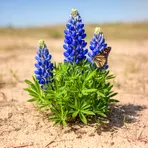
A wild plant with leaves like a hand and bright blue flowers that grows in sandy open soil
Surface Forms
Morphology
As an adjective + noun compound, a B1 learner who knows 'Indian' and 'beet' will reasonably infer this refers to a kind of plant related to or originating with Indigenous/American contexts (i.e., a type of beet). However, the detailed botanical sense (a stout perennial with palmate leaves and showy blue racemes) and the fact it may not match the prototypical edible root 'beet' are not predictable from the constituents alone, so comprehension is only partial.
Etymology
Indian beet may come from early settlers who saw Native American people using the plant for 'food' or 'medicine', so 'Indian' marks that connection and 'beet' was used because its leaves or root looked like the common beet. That's why the name helps you remember a sturdy, blue-flowered perennial once known for those practical uses.

