
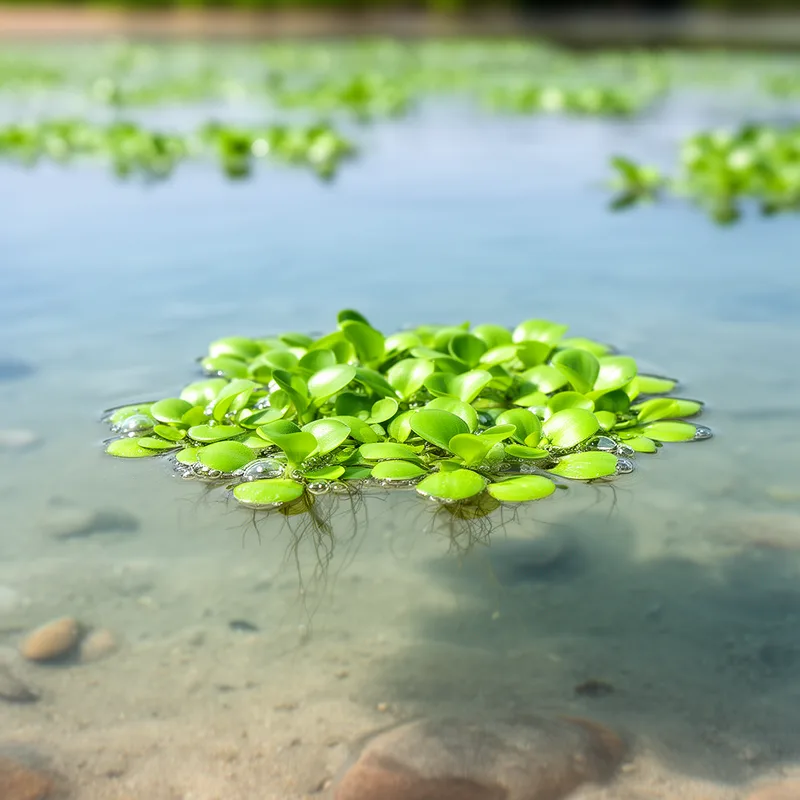
Hydrocharidaceae
- noun
- /ˌhaɪdrəˌkɛrɪˈdeɪʃiˌi/
- Specialized
- Several species in the Hydrocharidaceae family are used in aquariums for their decorative floating leaves.
Examples
-
The Hydrocharidaceae are found on every continent except Antarctica in freshwater habitats.
-
Scientists studied the reproductive habits of Hydrocharidaceae to understand the spread of invasive aquatic plants.
-
The Hydrocharidaceae family includes many species of aquatic plants.
-
Many Hydrocharidaceae thrive in freshwater environments.
-
The Hydrocharidaceae family includes several popular species of aquatic plants that are often found in ponds.
-
Aquarists frequently choose plants from the Hydrocharidaceae family for their attractive floating leaves and ease of care.
-
Researchers discovered that the Hydrocharidaceae thrive in freshwater environments worldwide, making them a subject of interest in ecology.
Synonyms

A group of simple freshwater plants like tape grass that grow in lakes and rivers
Small group of water plants with very short stems that float on ponds and lakes

A family of small water plants with floating leaves in ponds and marshes
Surface Forms
Morphology
Hydrocharidaceae = Hydrocharis (opaque) = hydrocharid + aceae
Scientific botanical family names are formed with a Latinized taxonomic suffix '-aceae' attached to a genus stem, which is not transparent to an average B1 learner.
Etymology
Hydrocharidaceae comes from the Greek parts hydro- meaning 'water', the plant name Hydrocharis (a water plant), and the ending -aceae that marks a 'plant family'. So, the name points to a family of simple freshwater plants.

